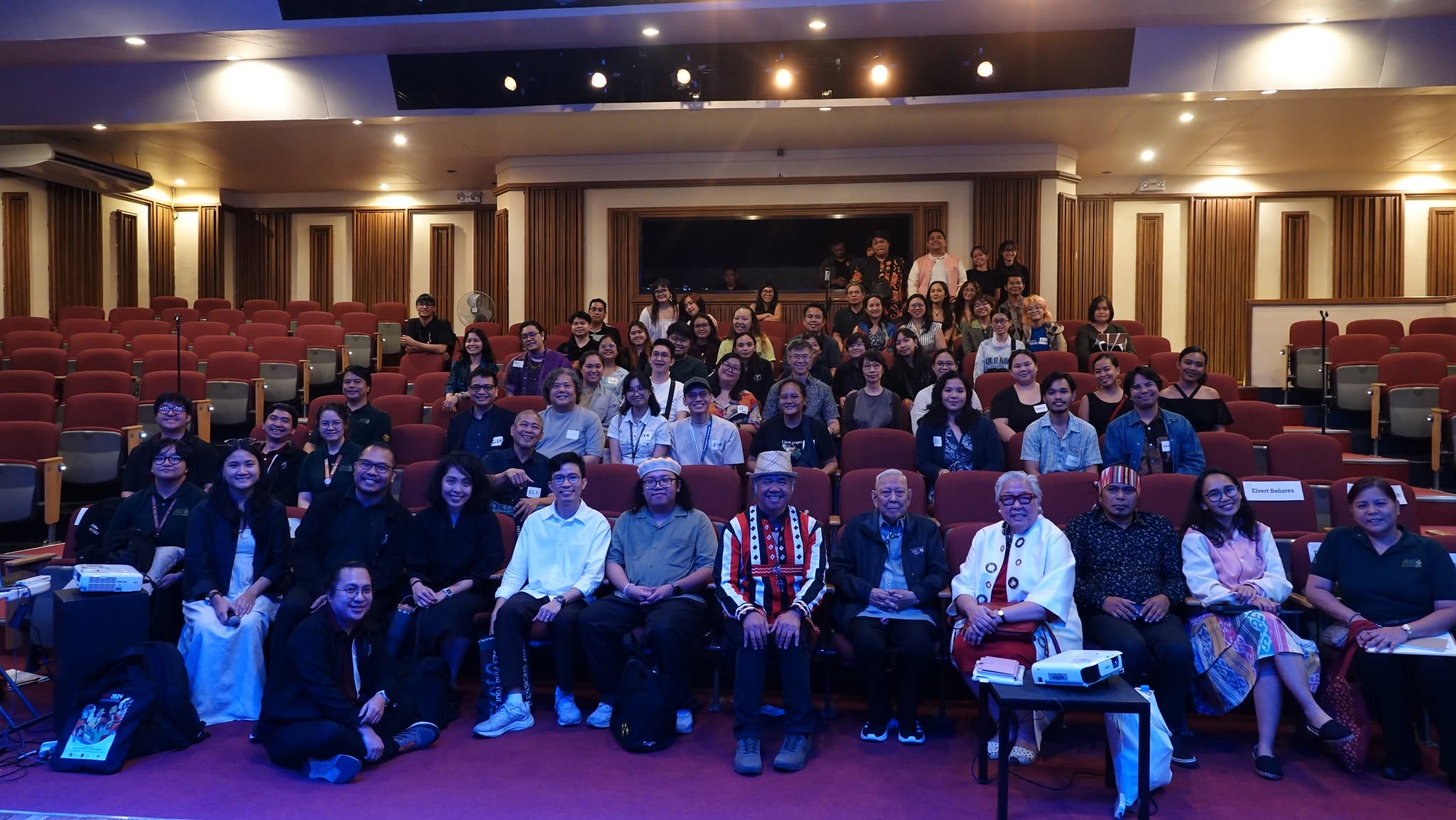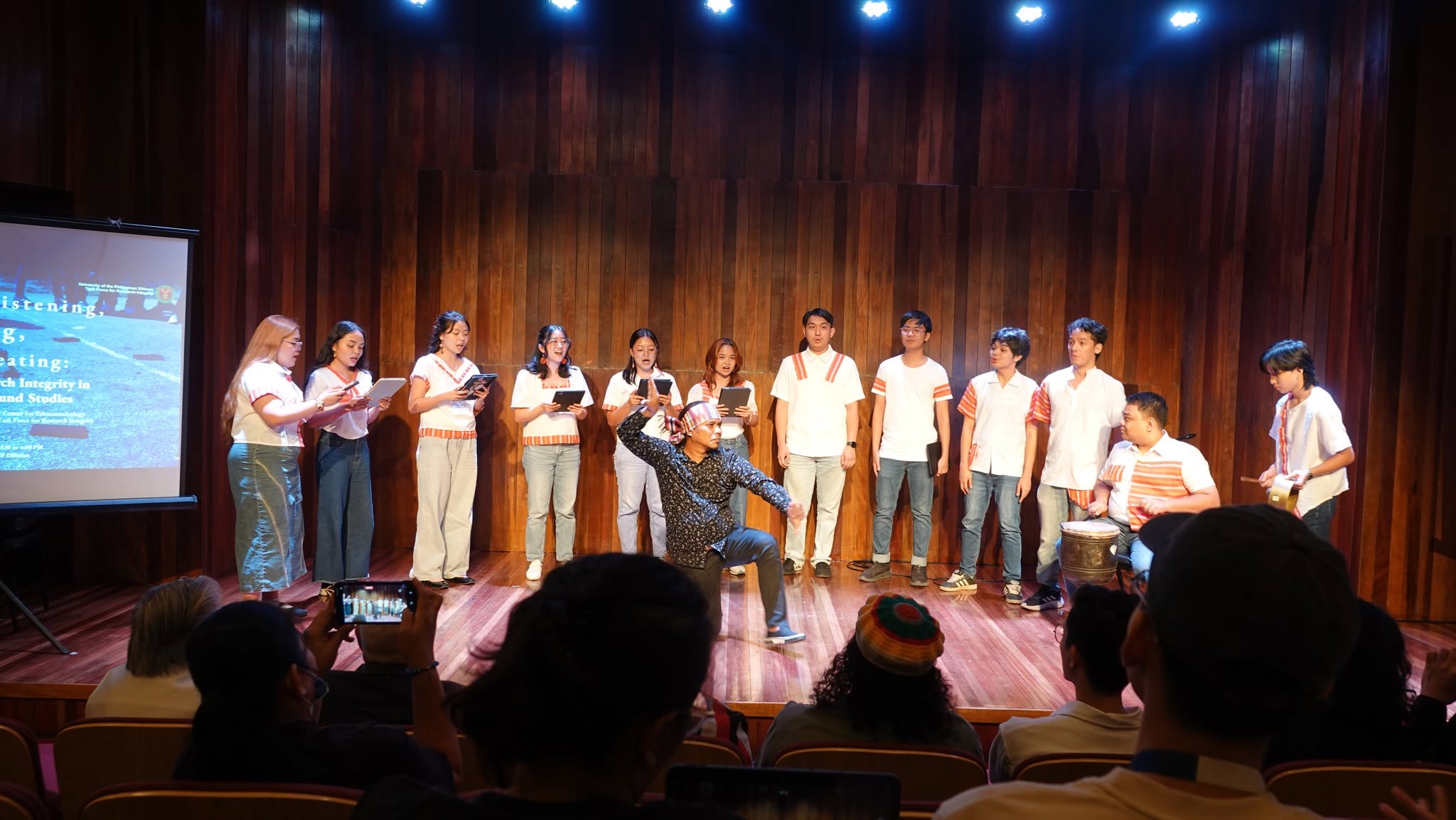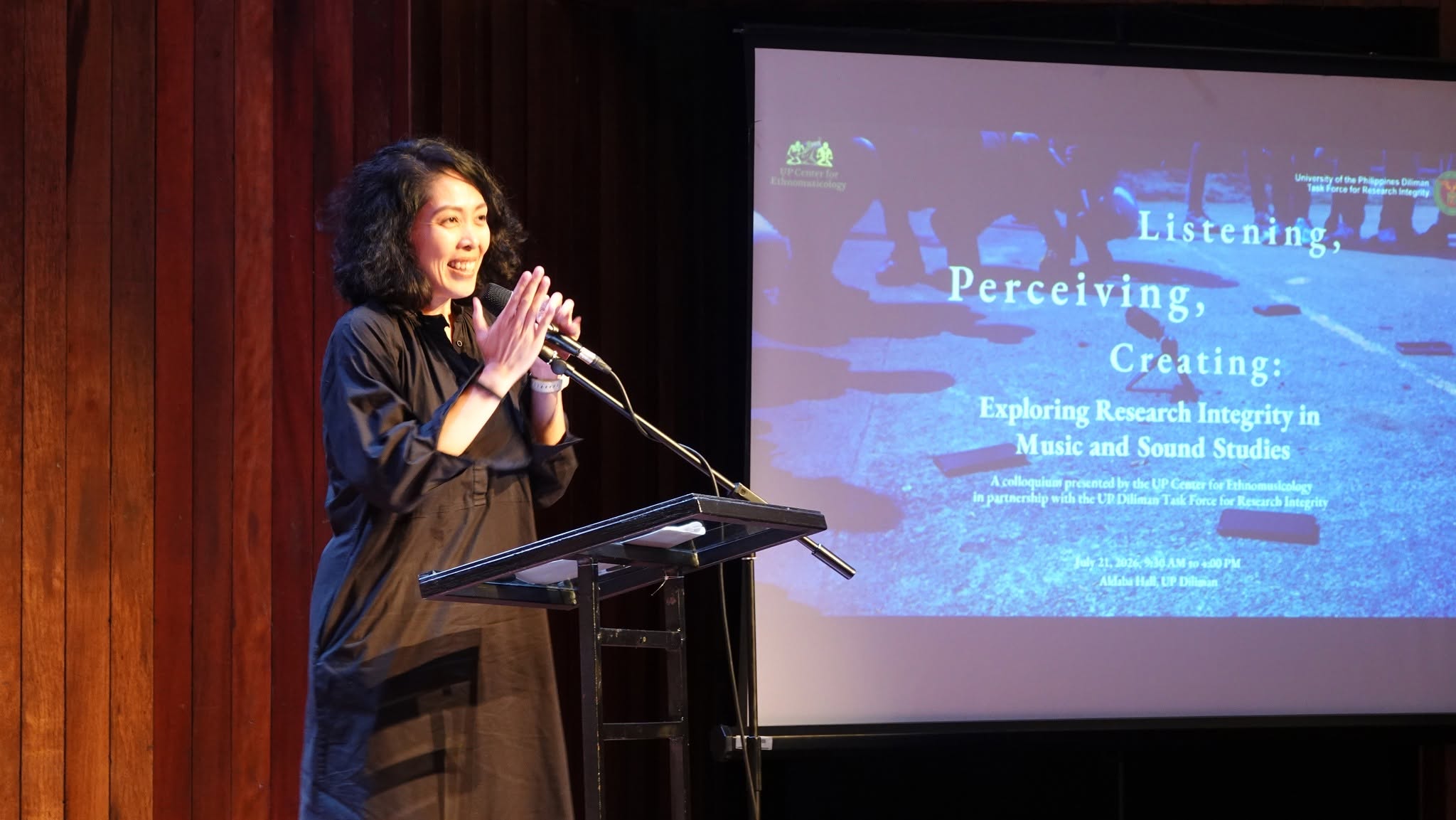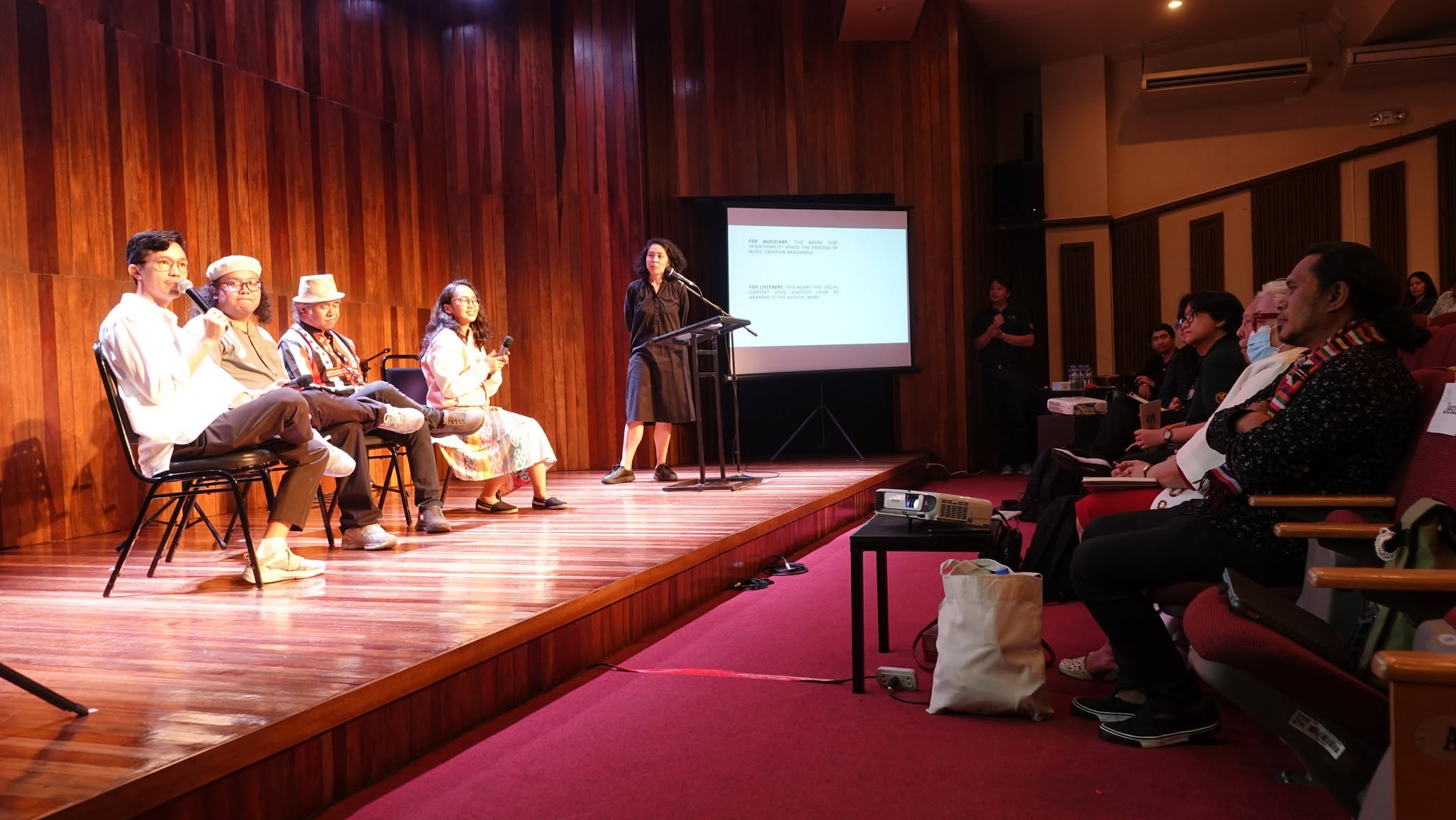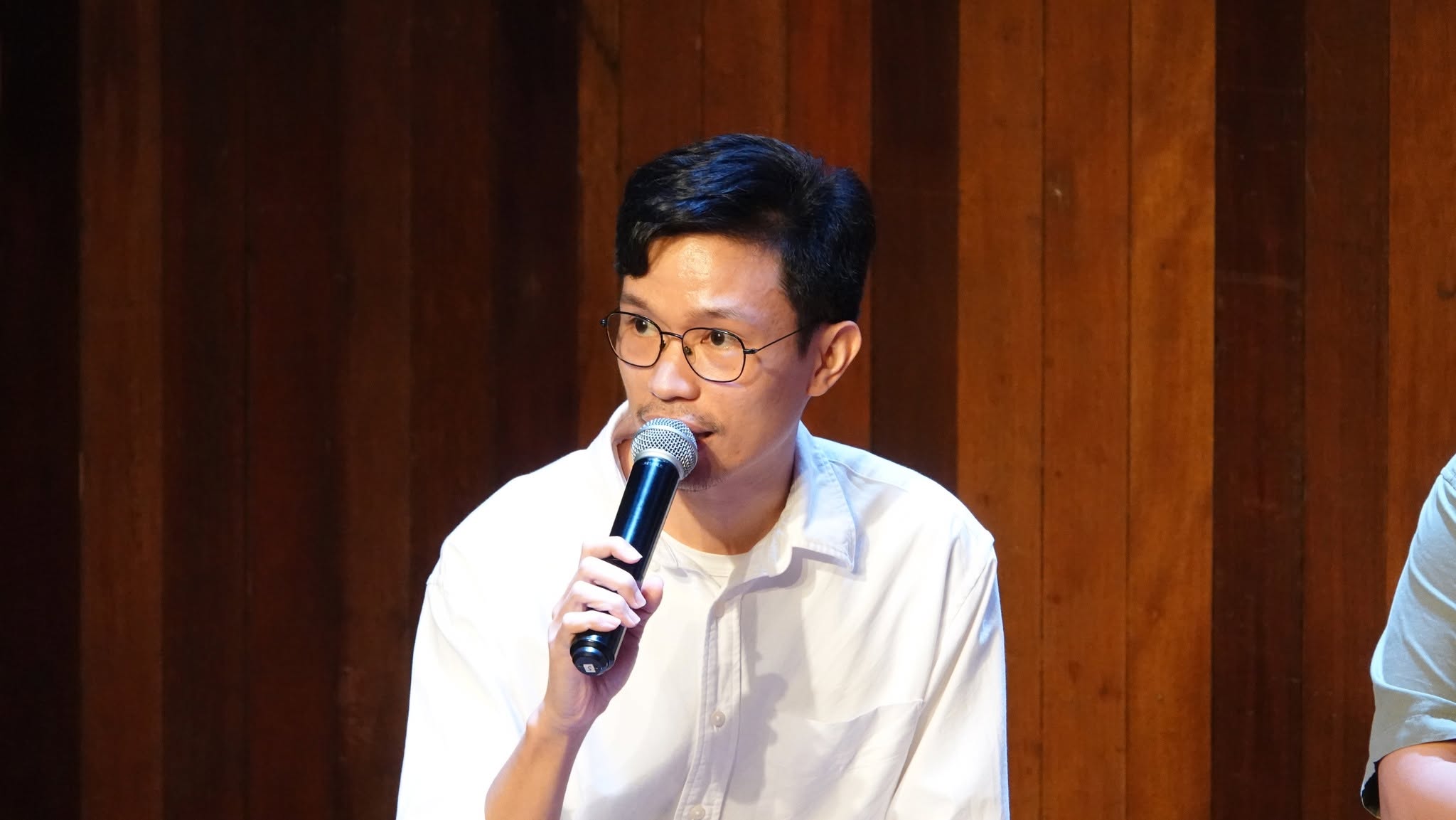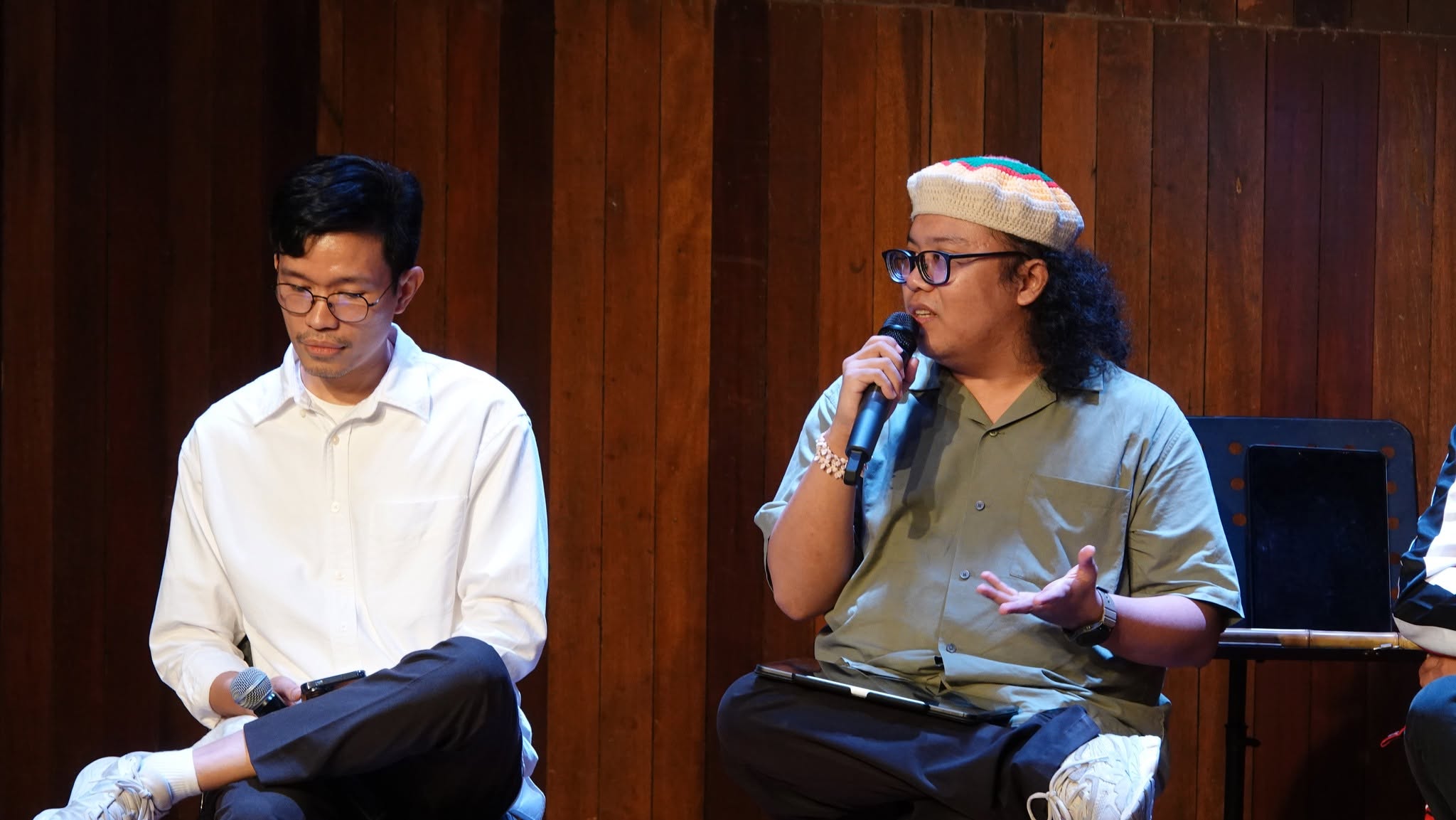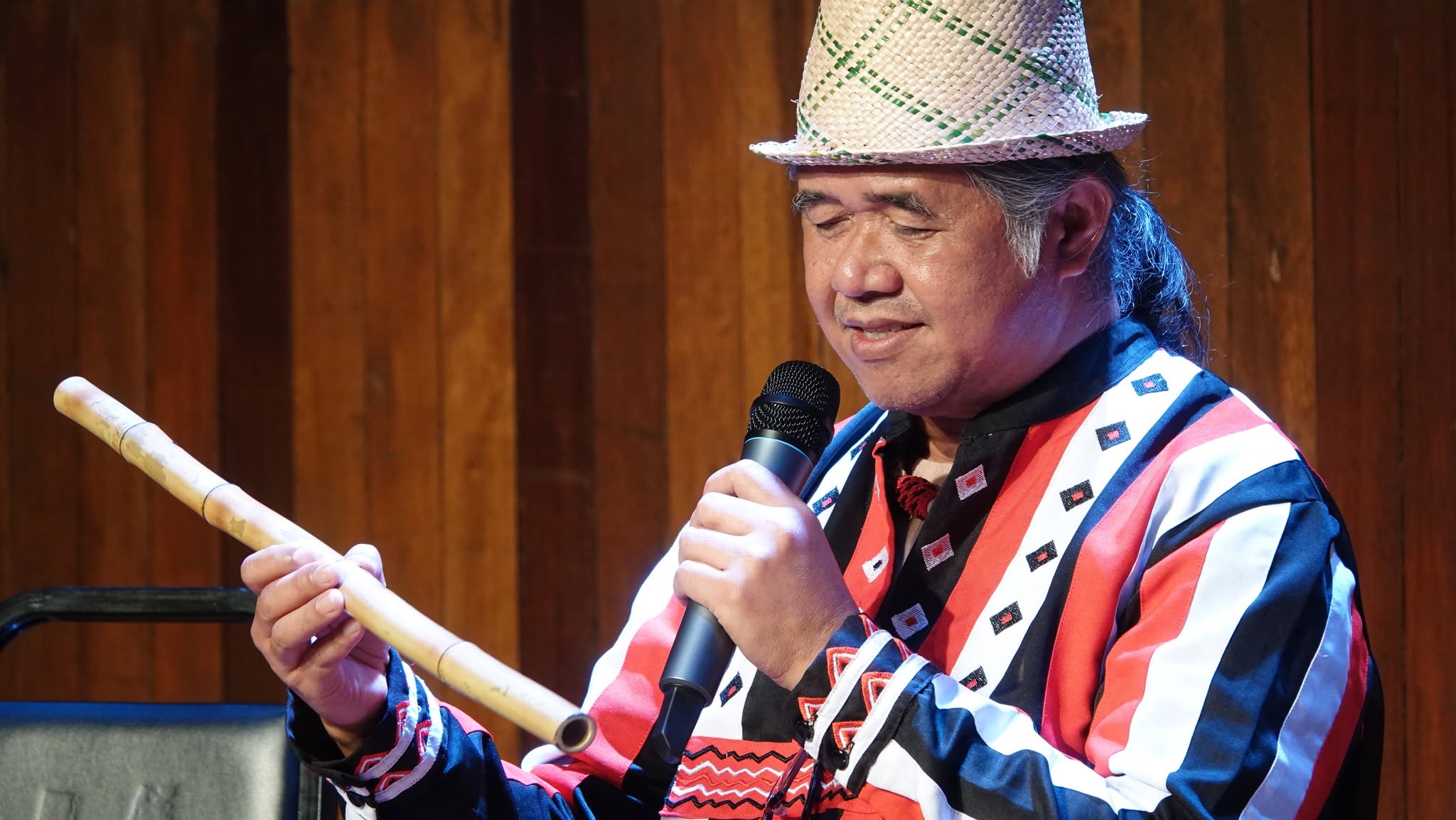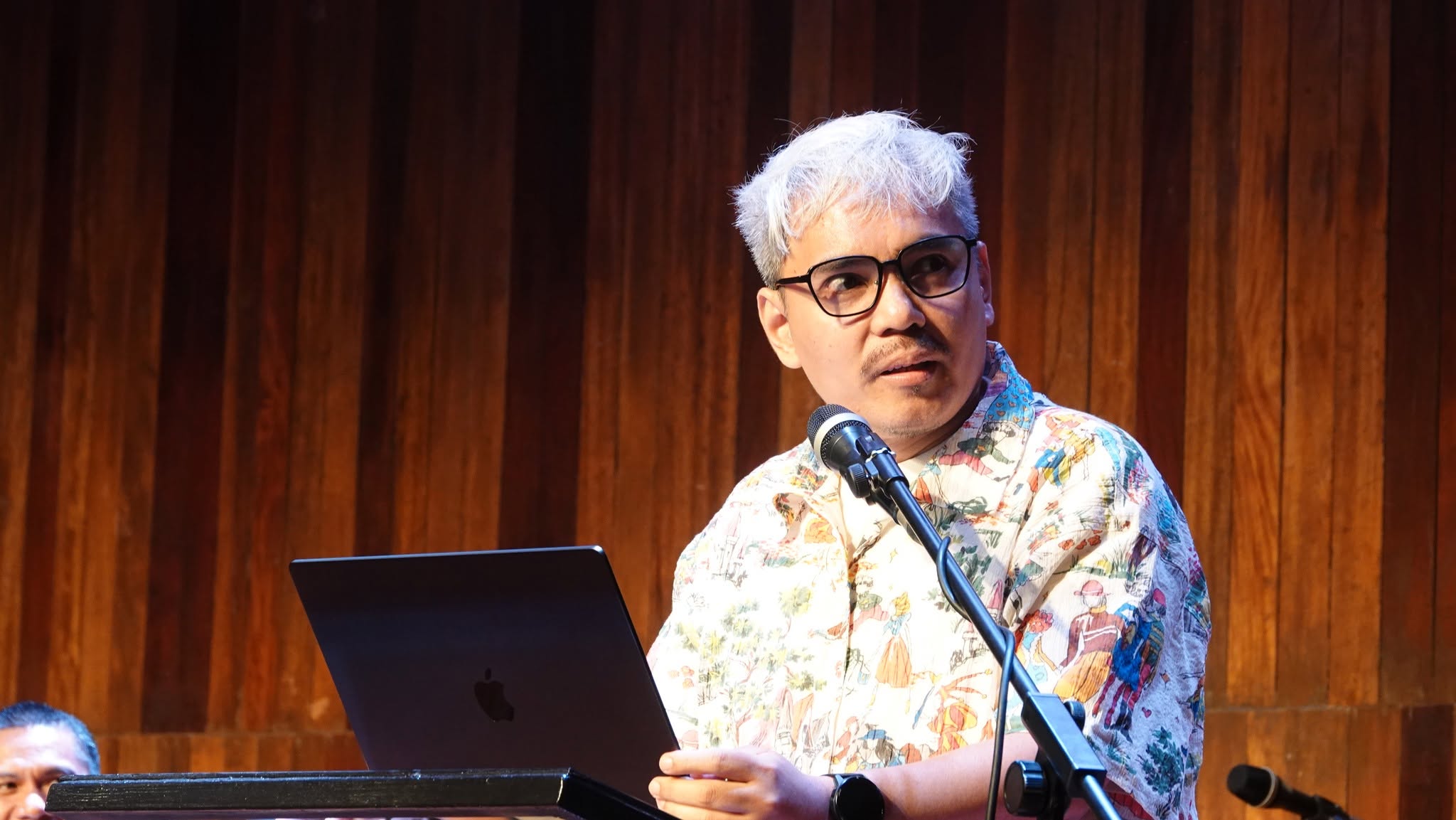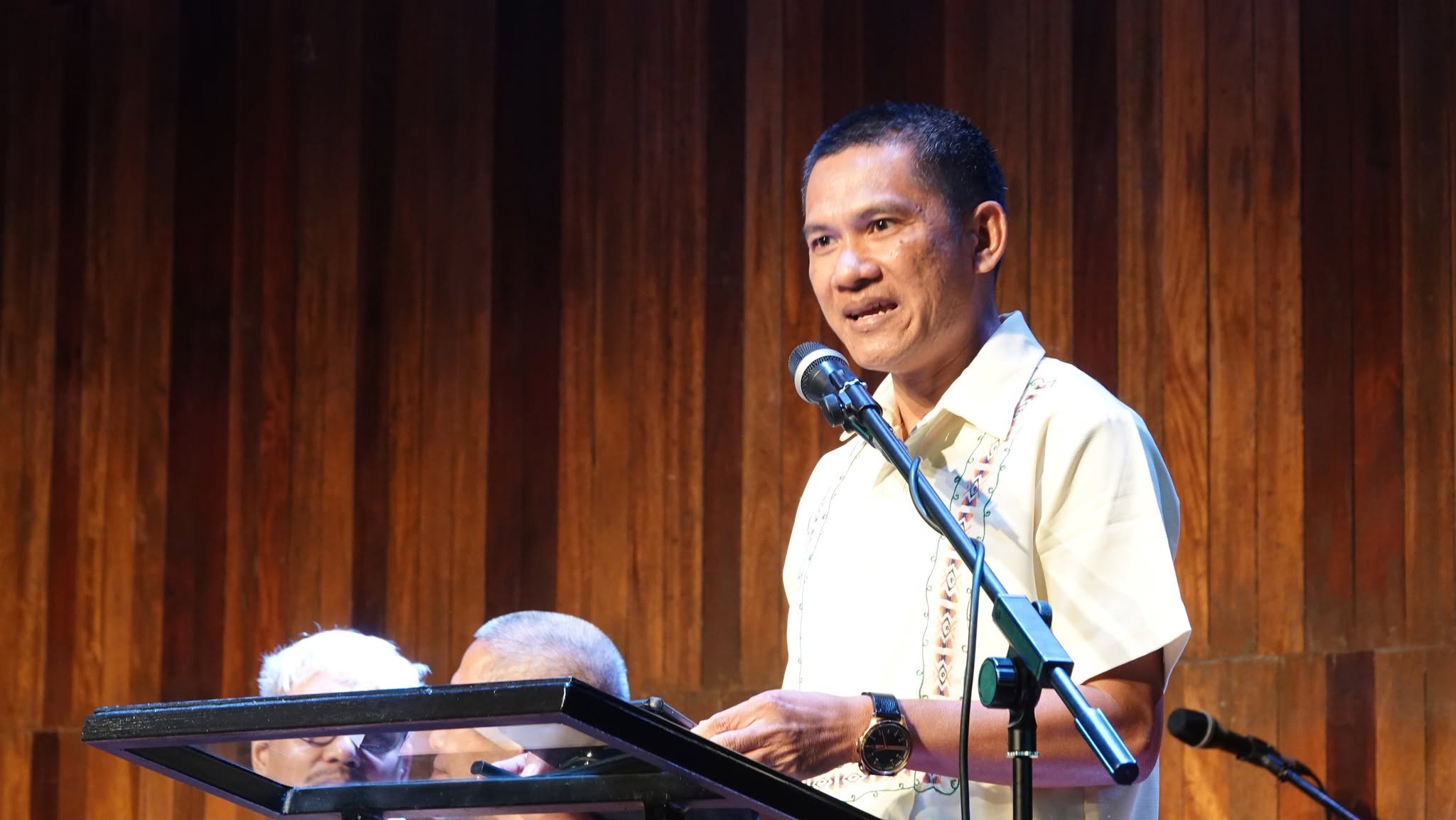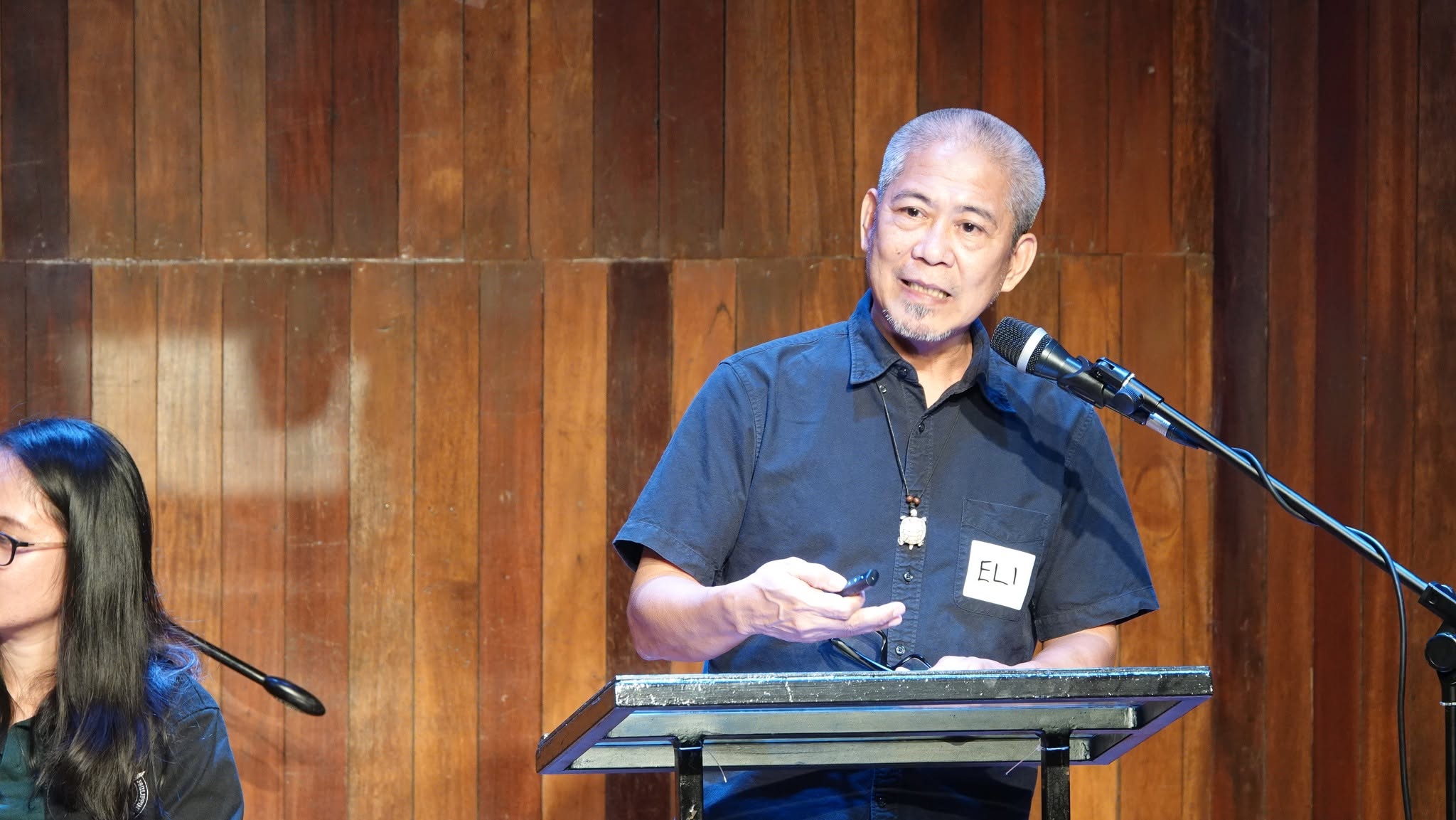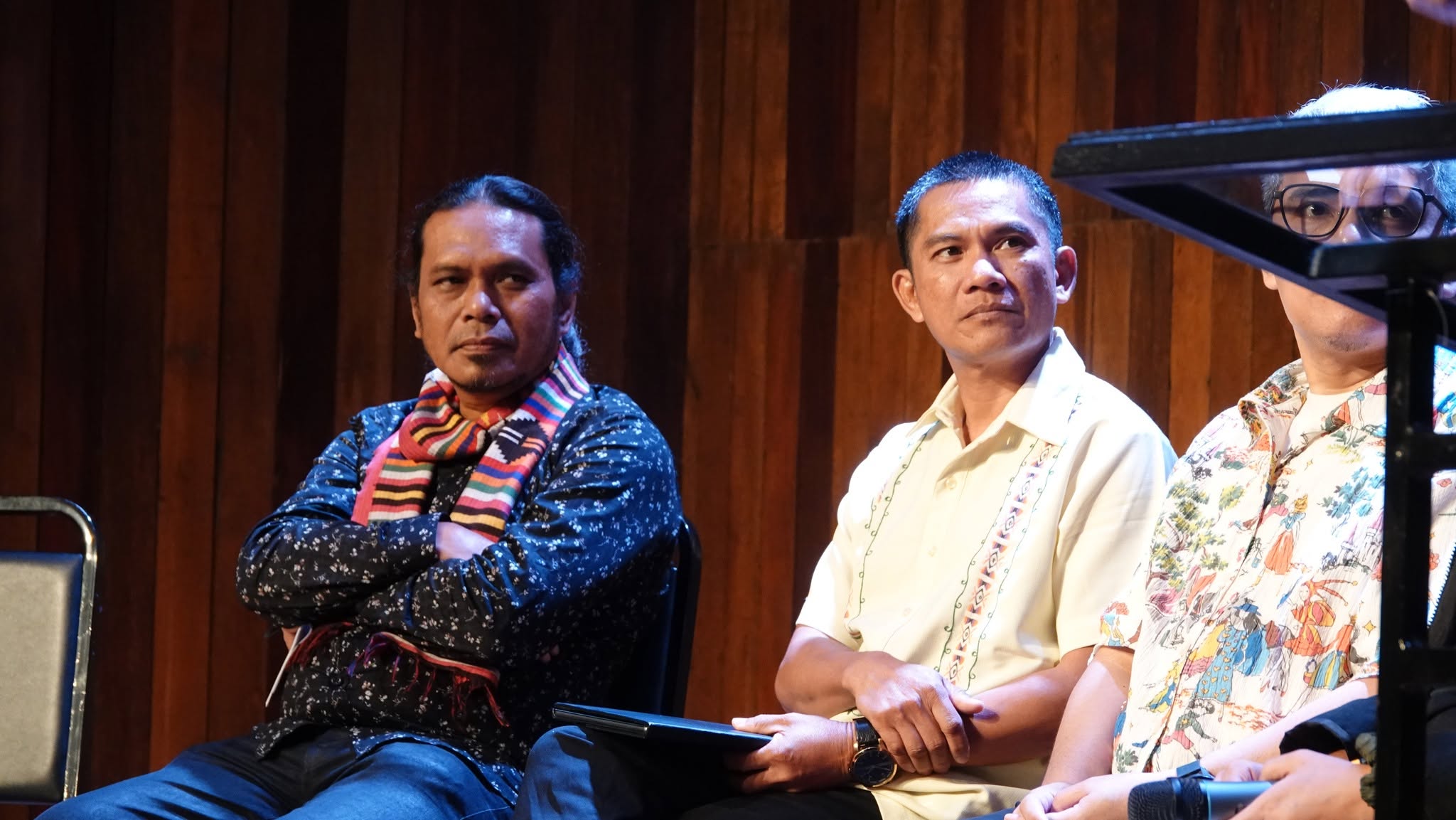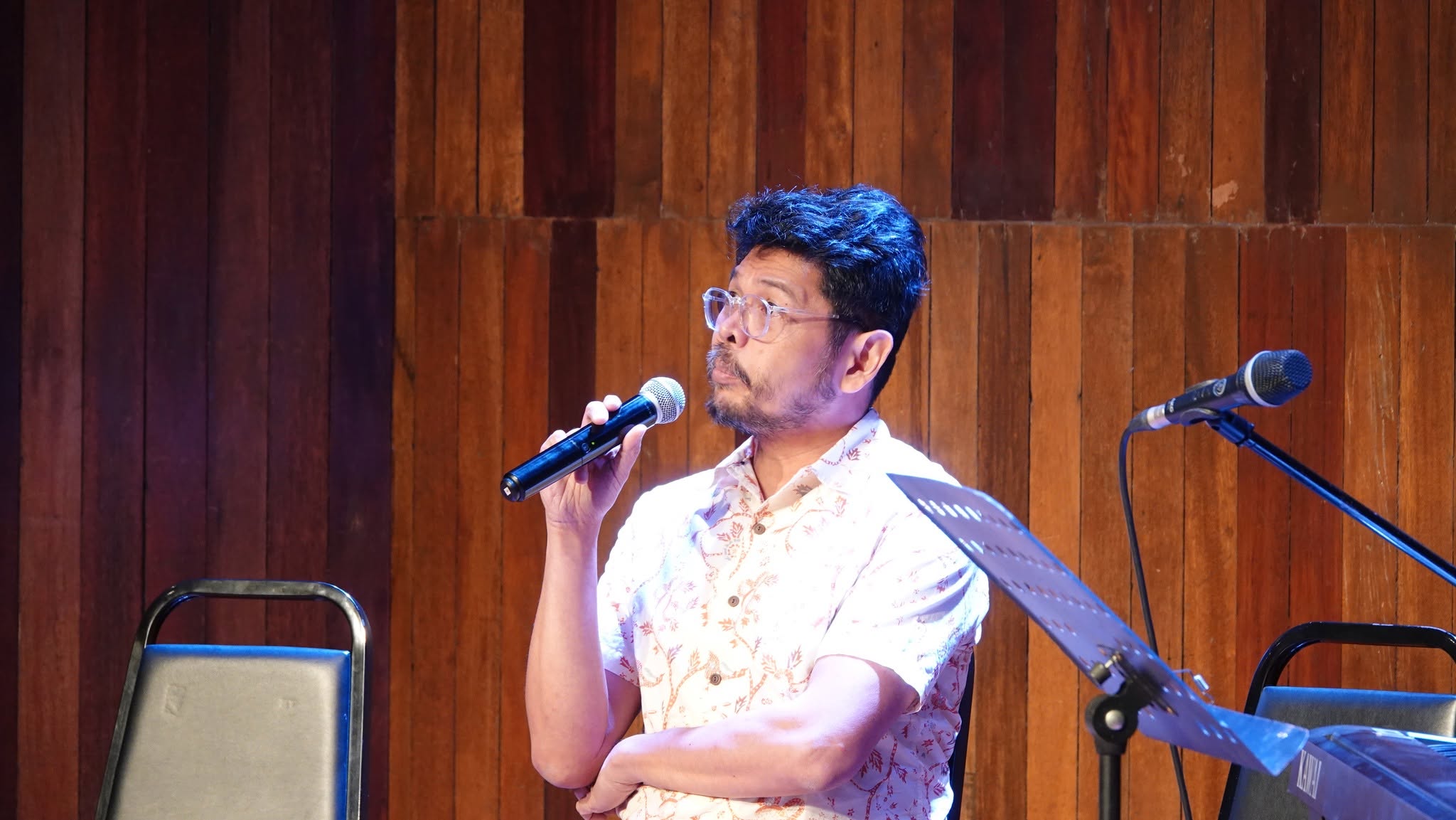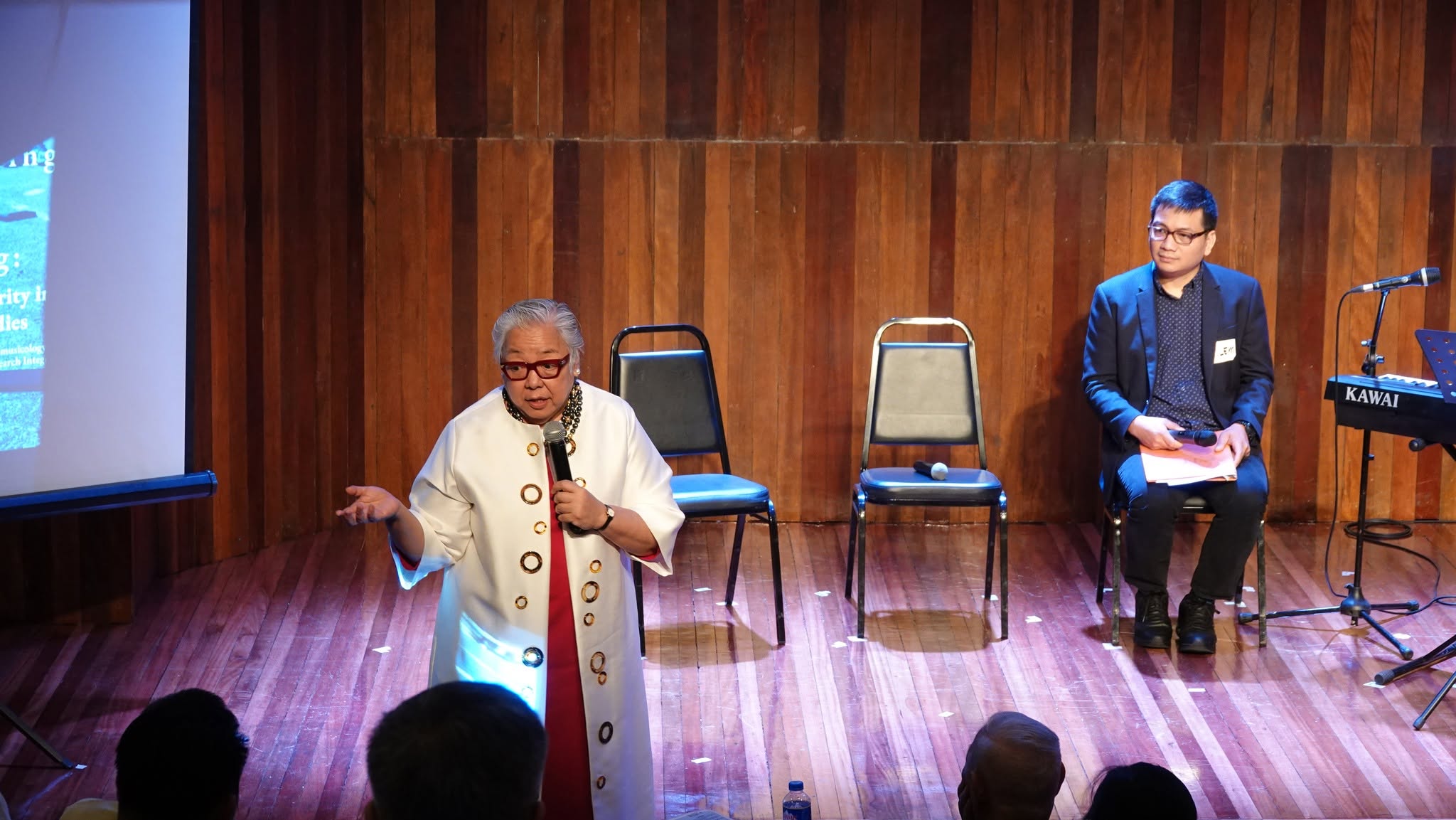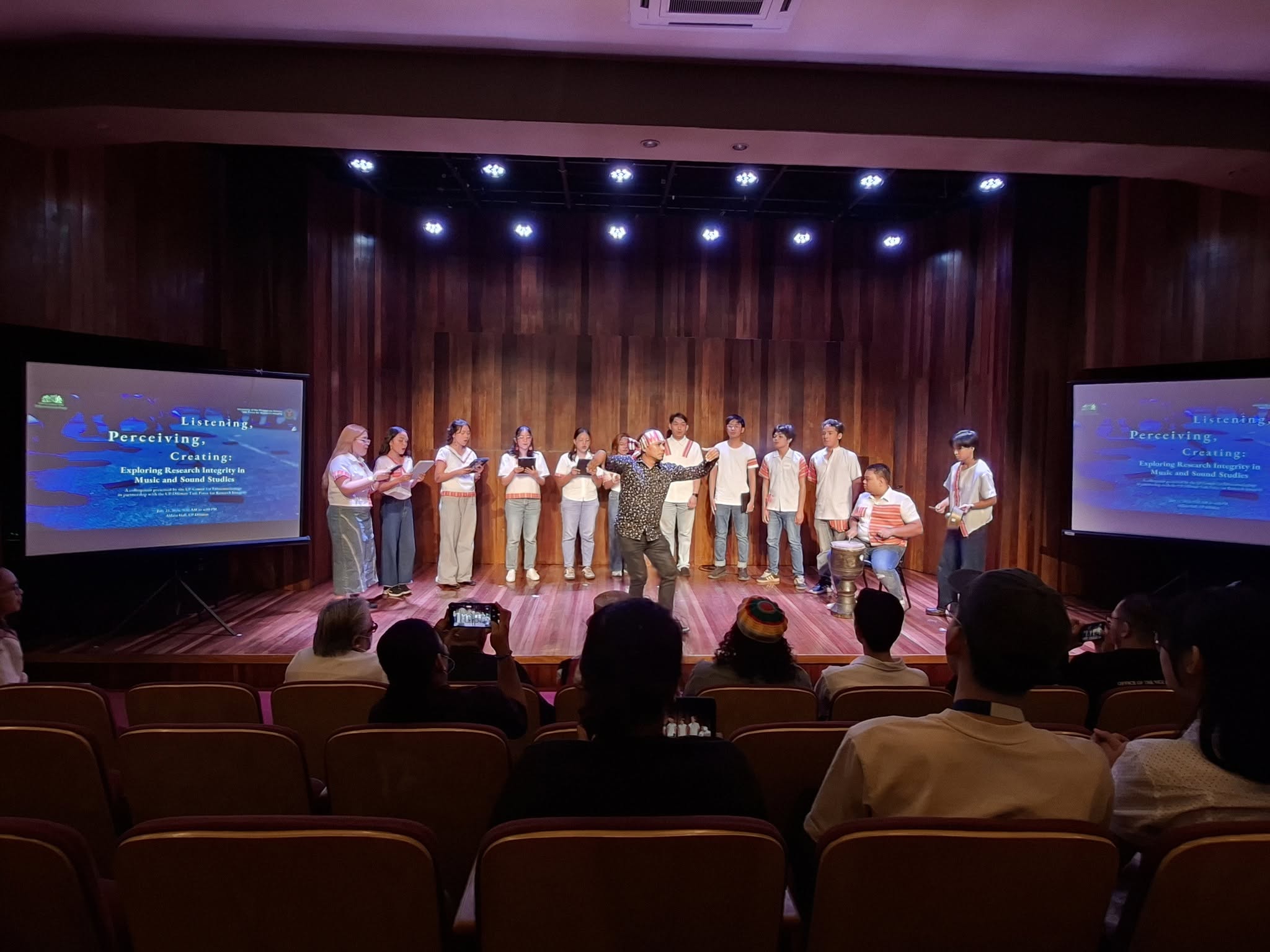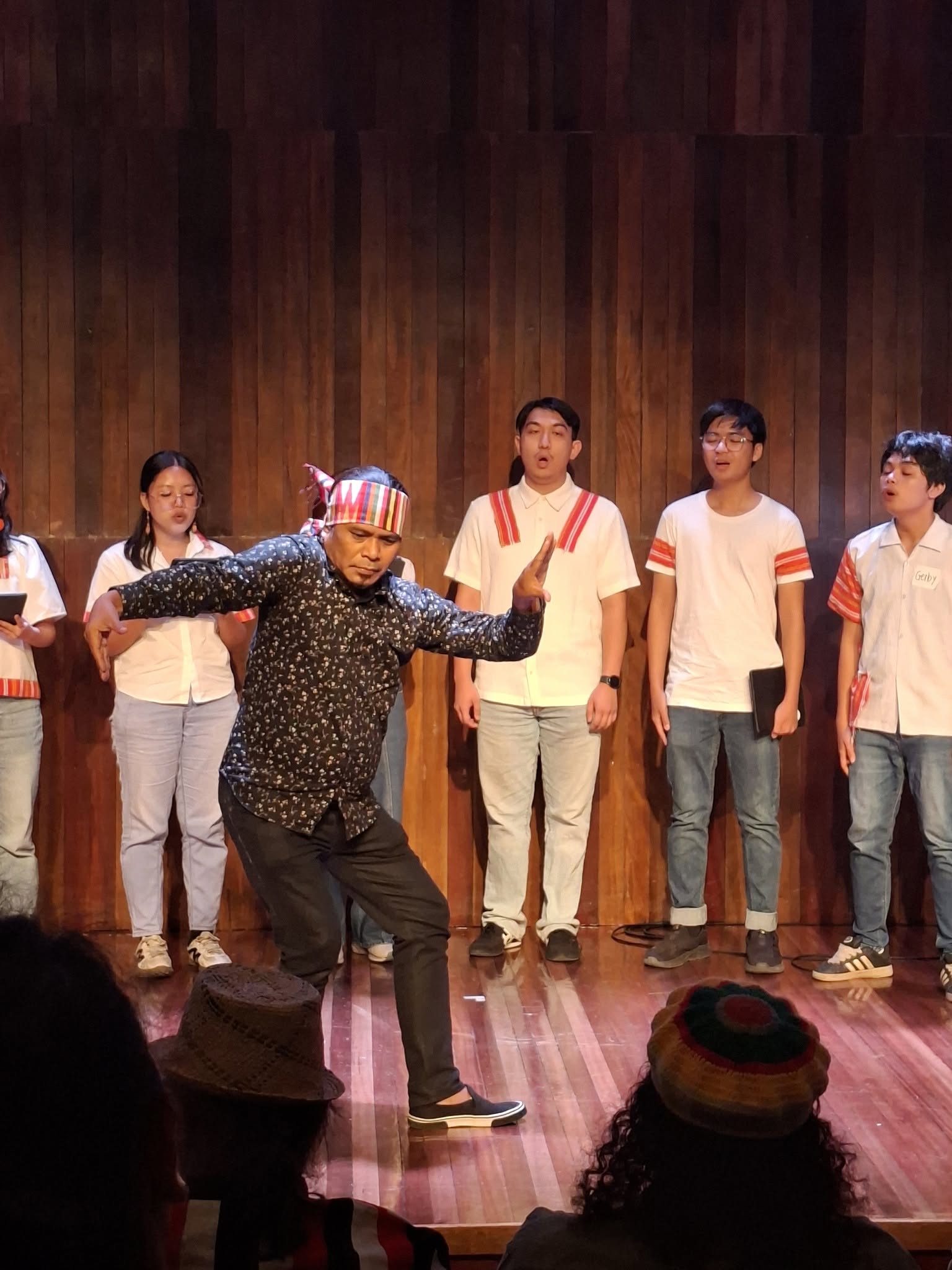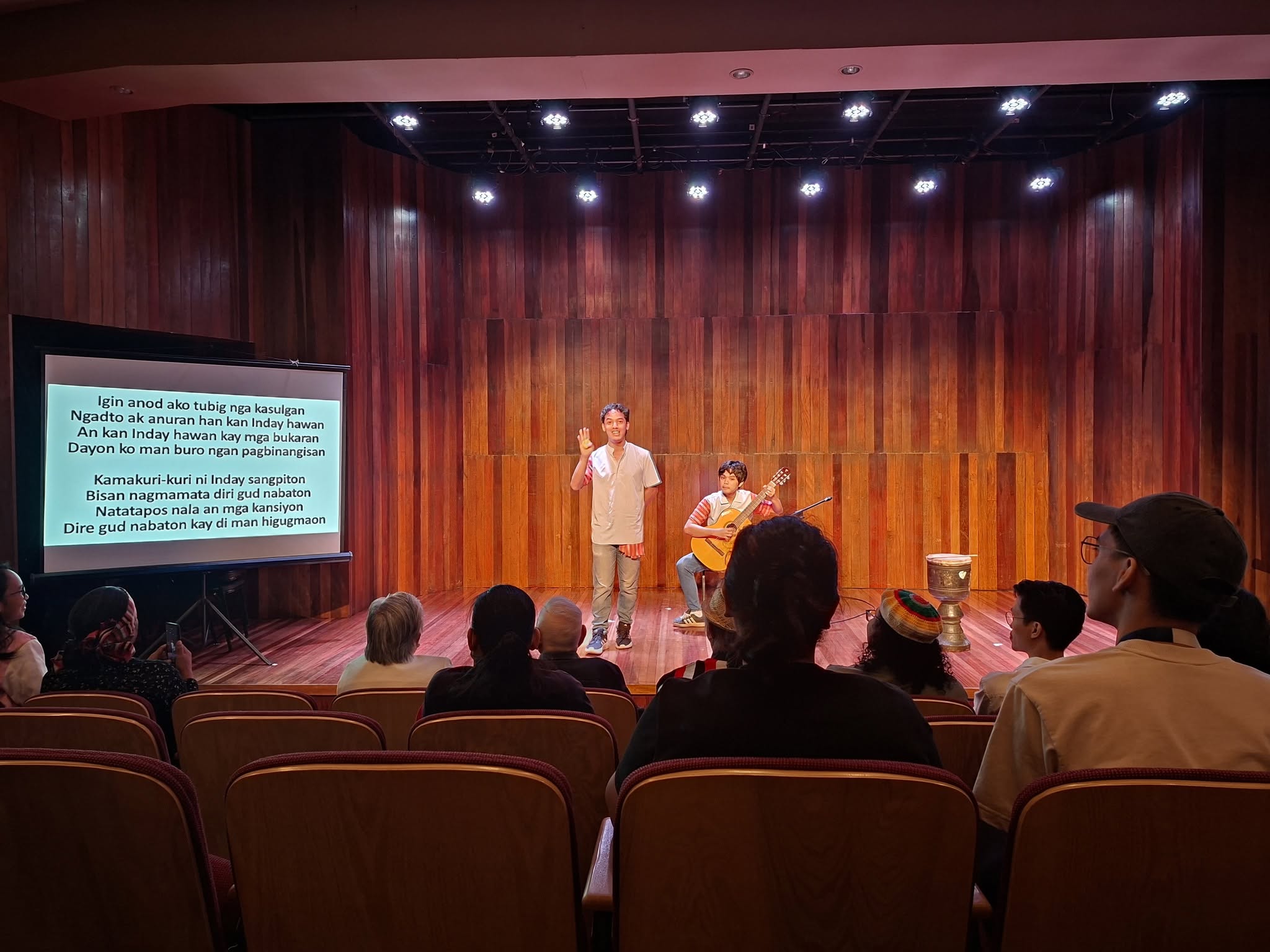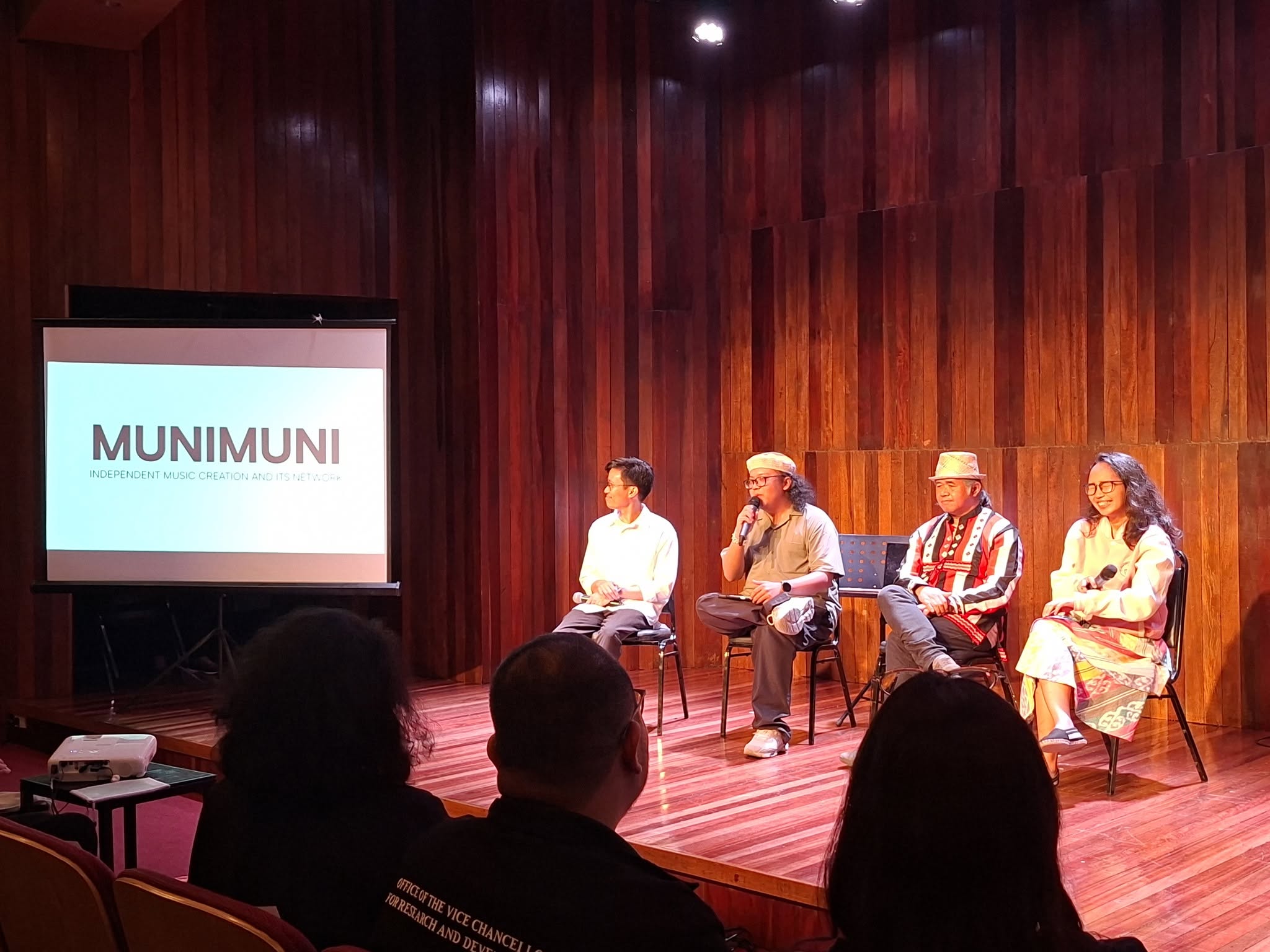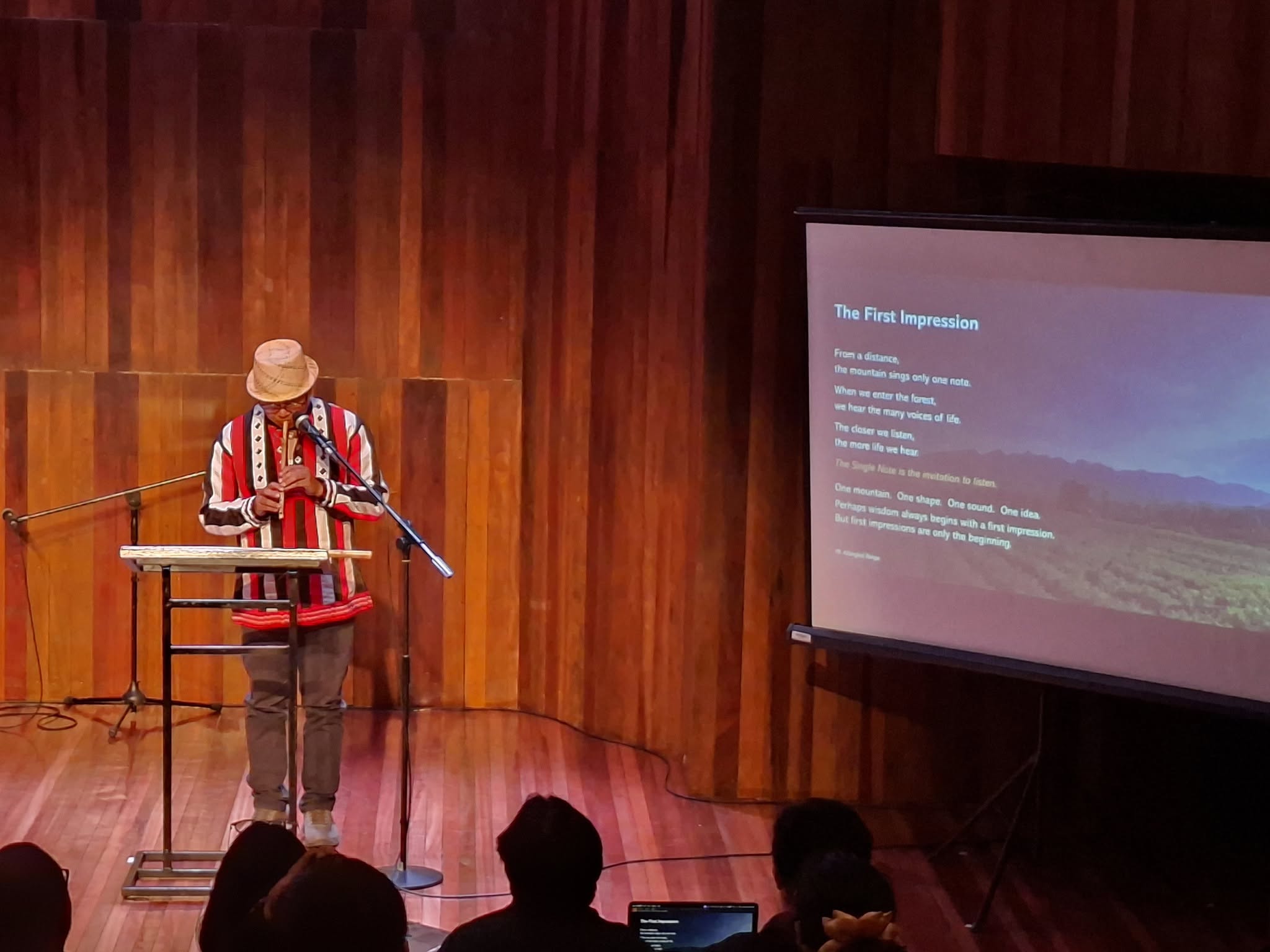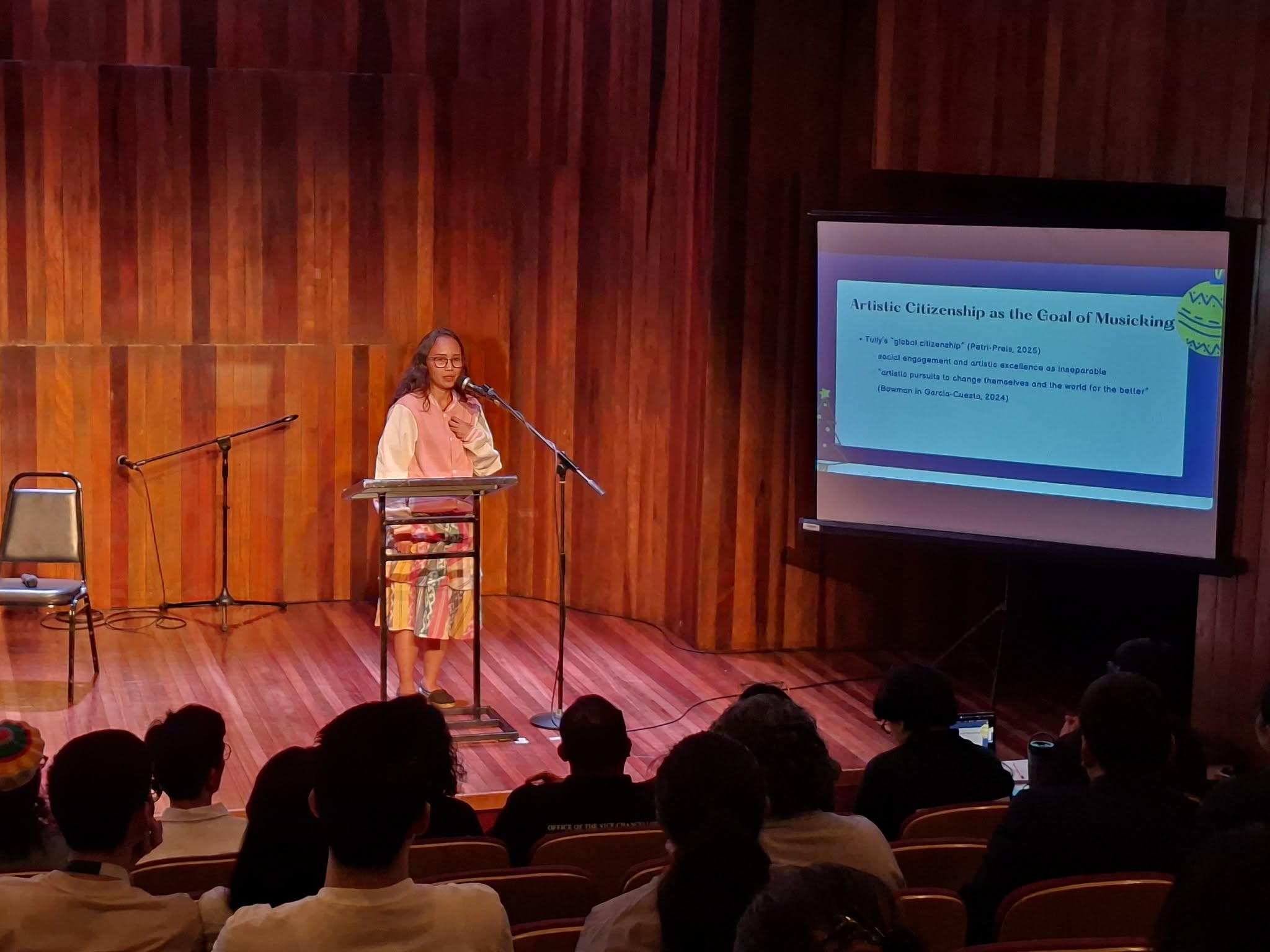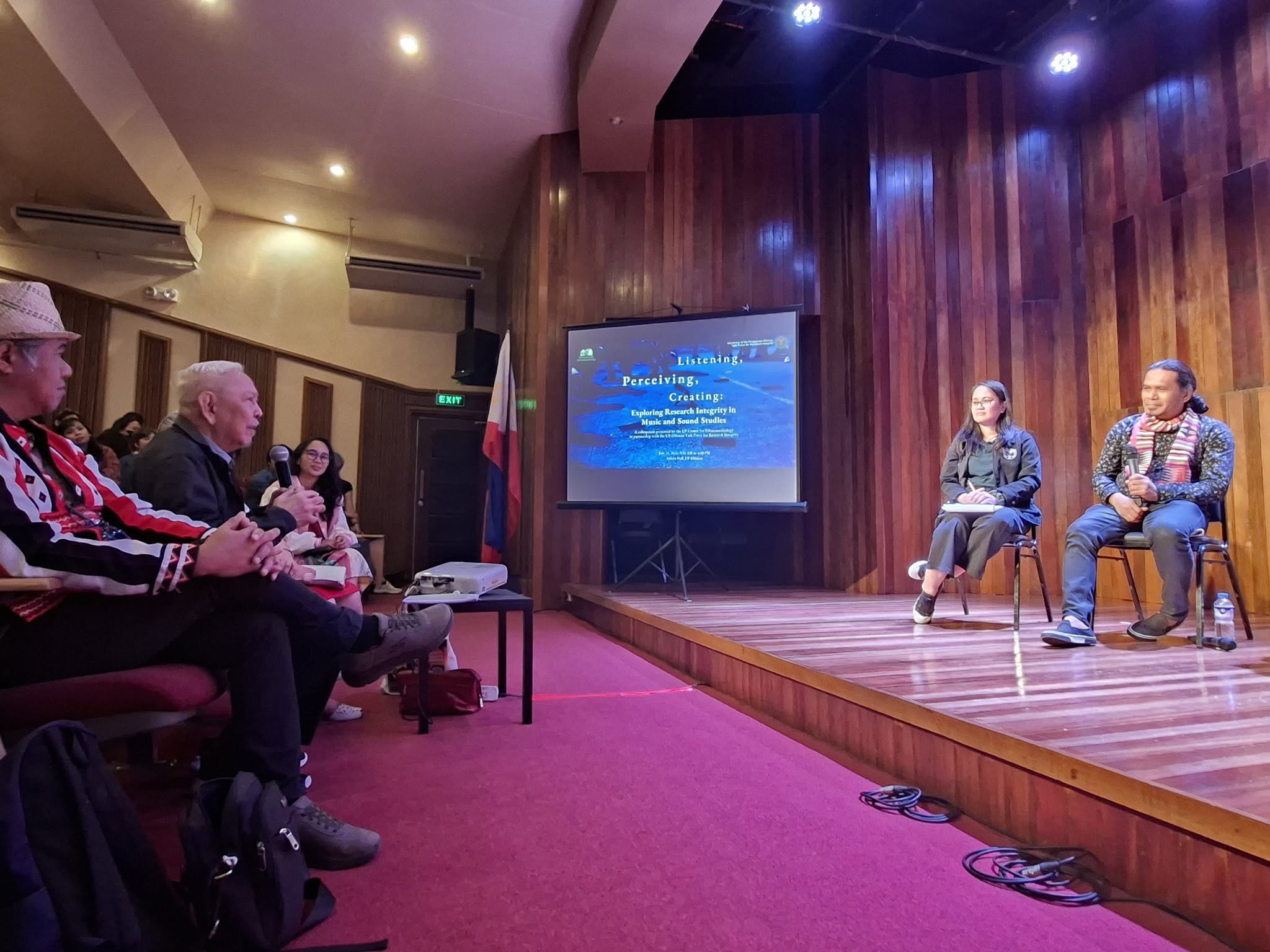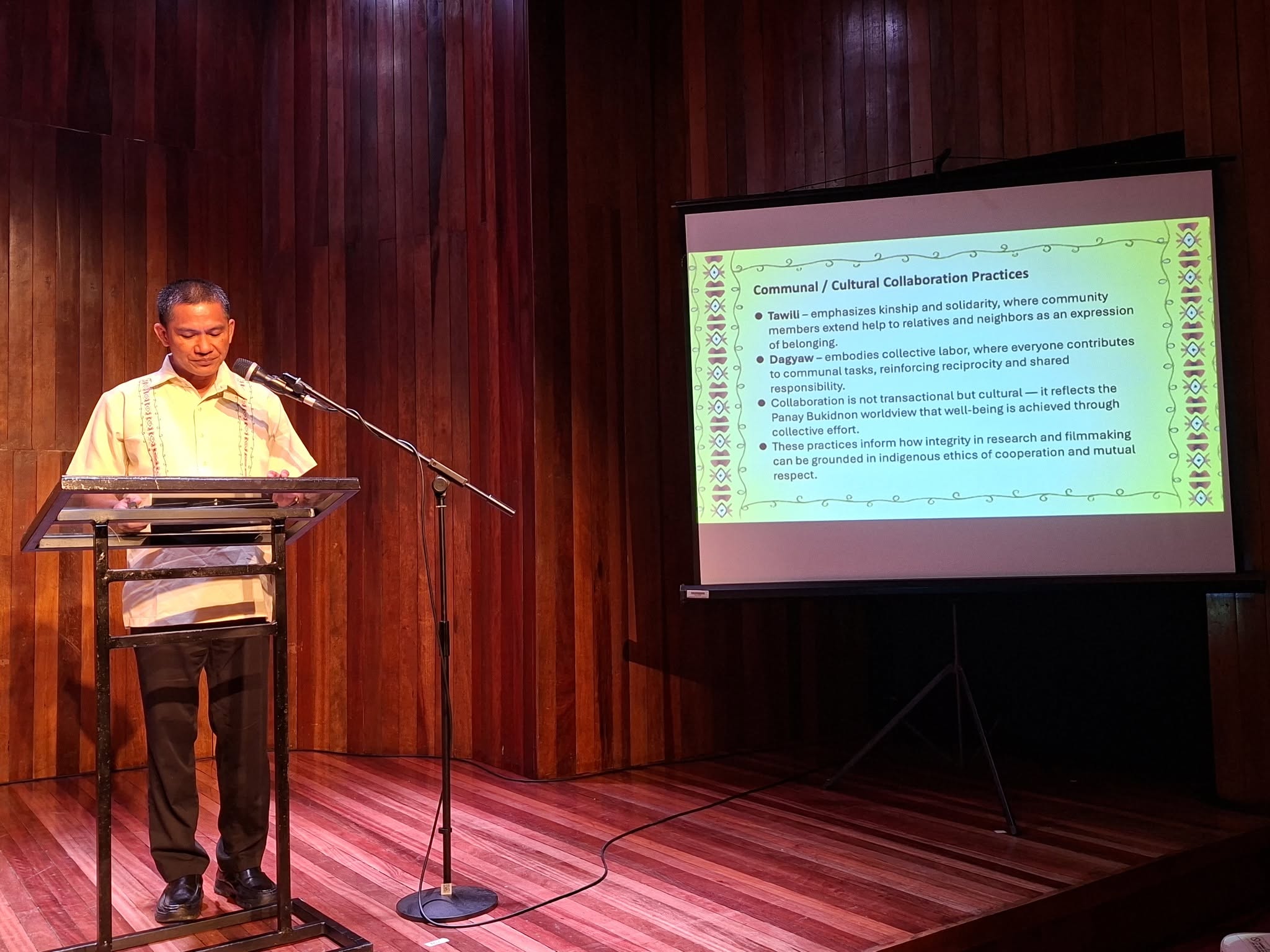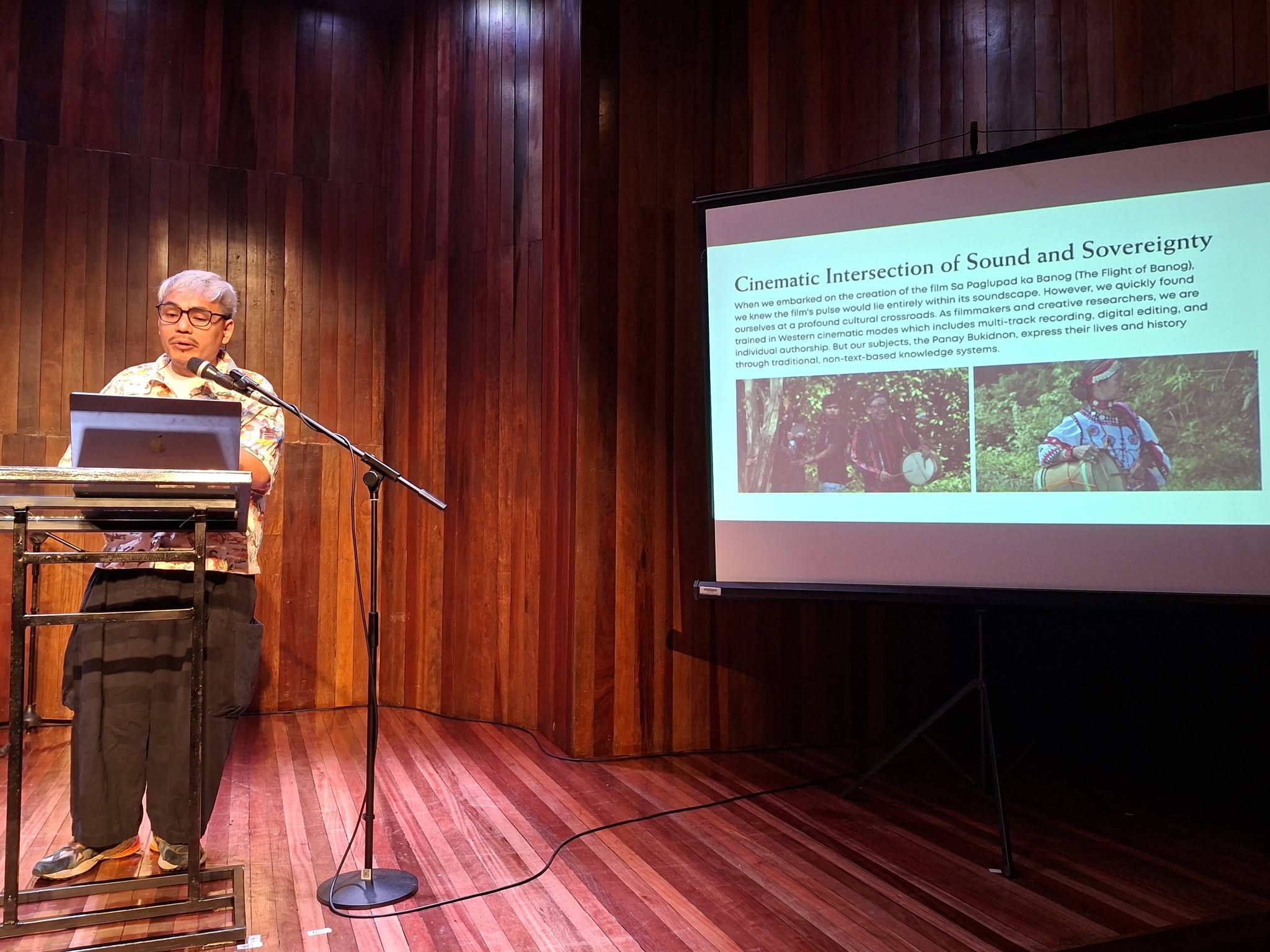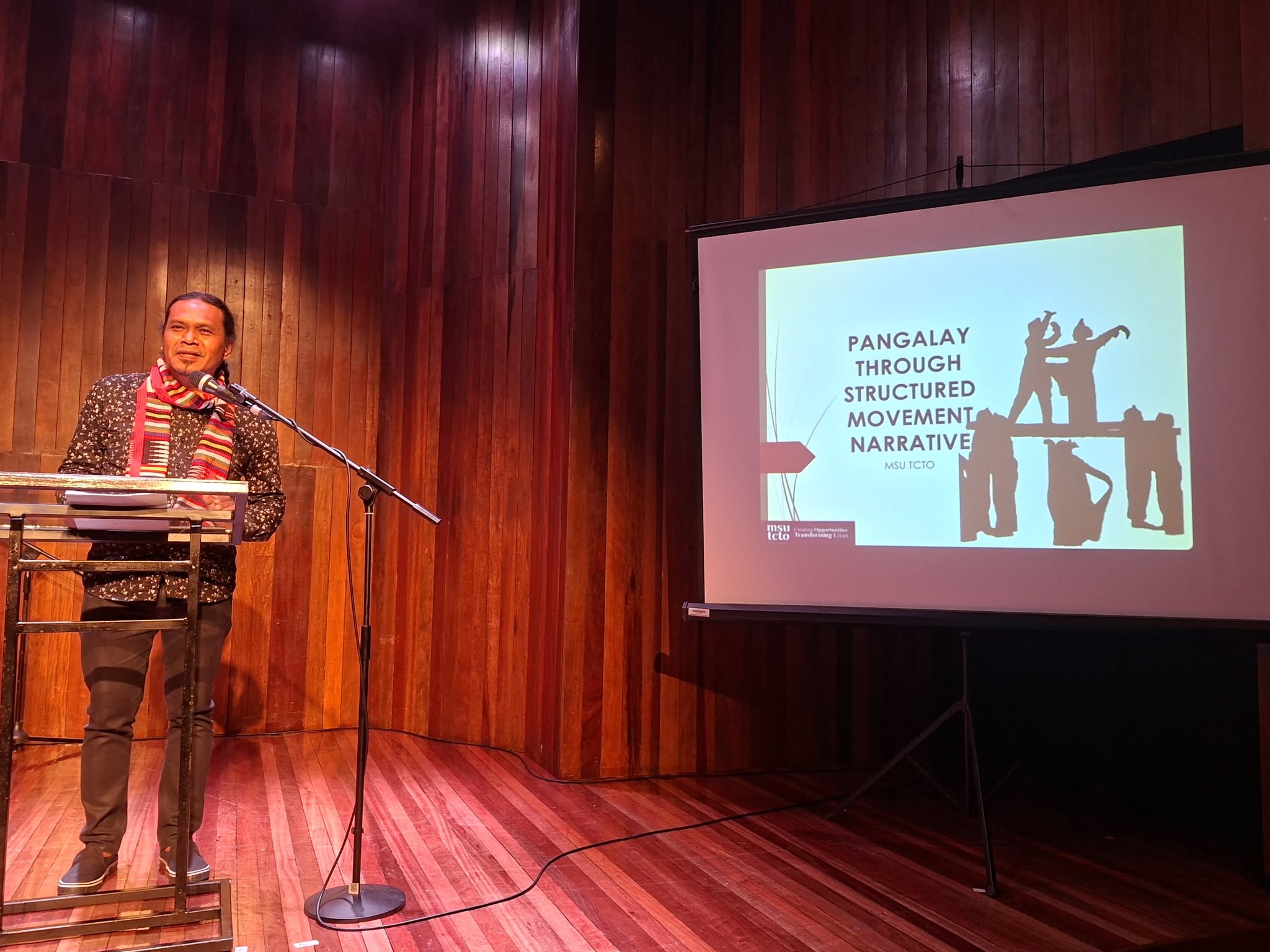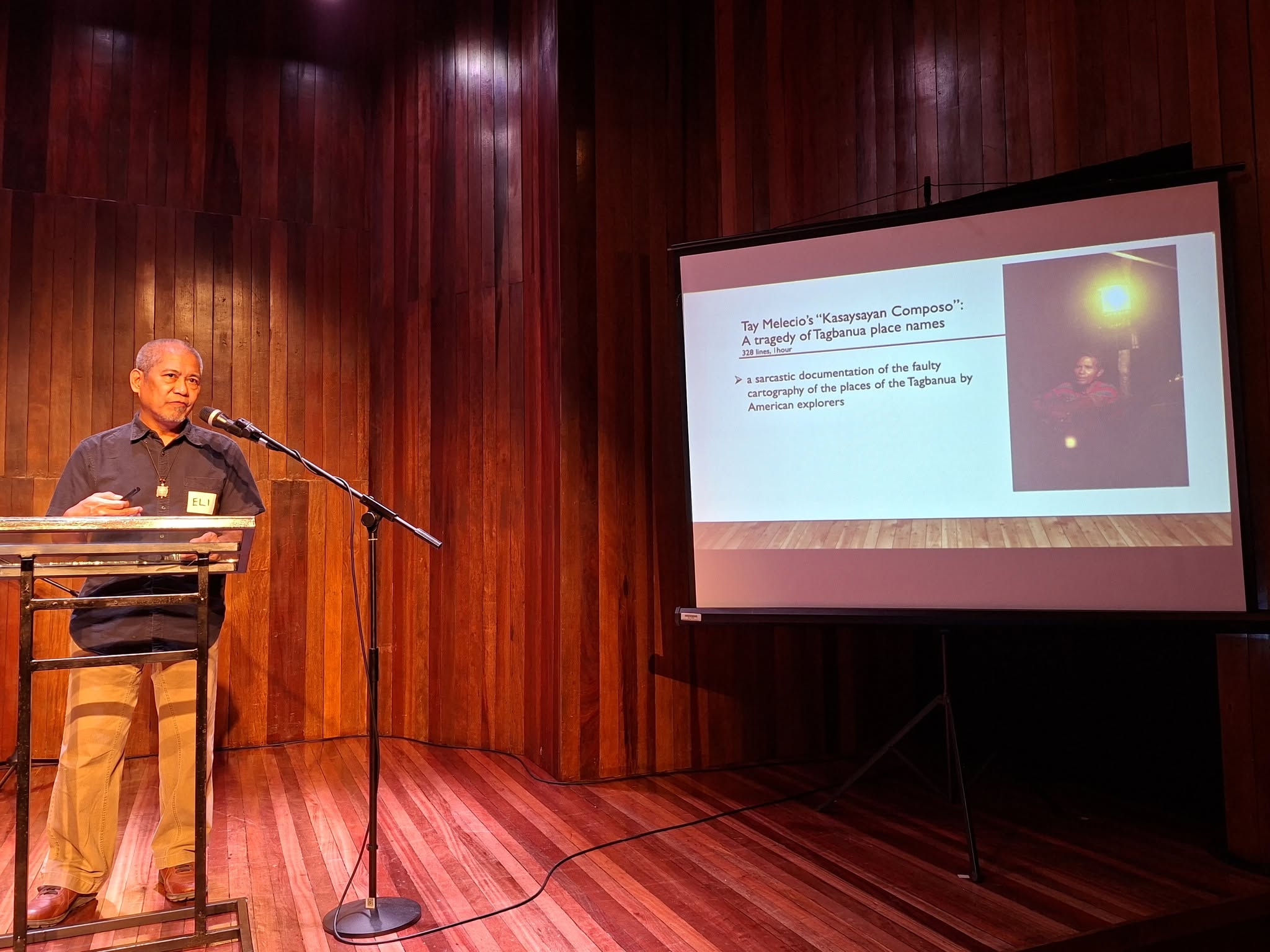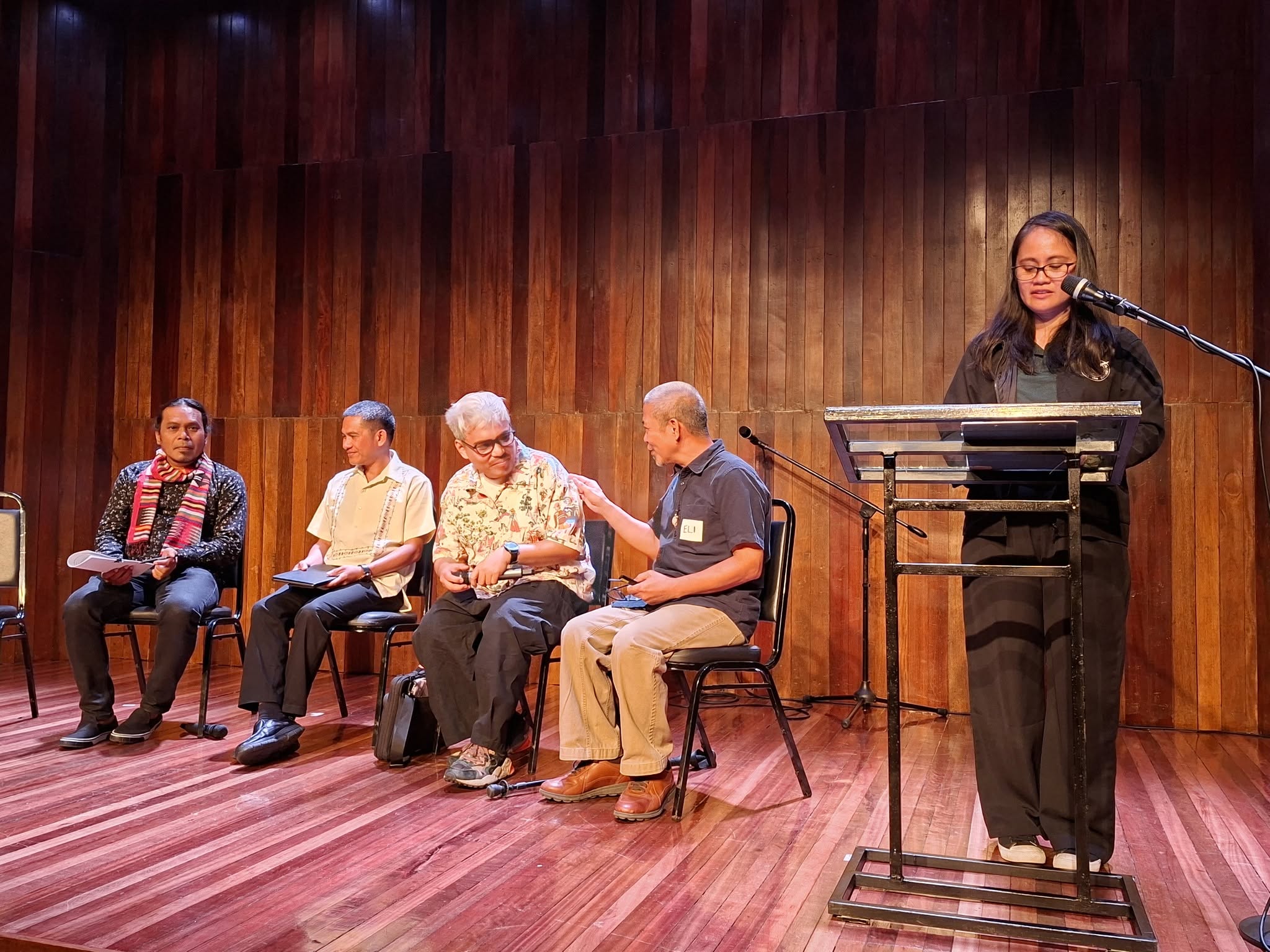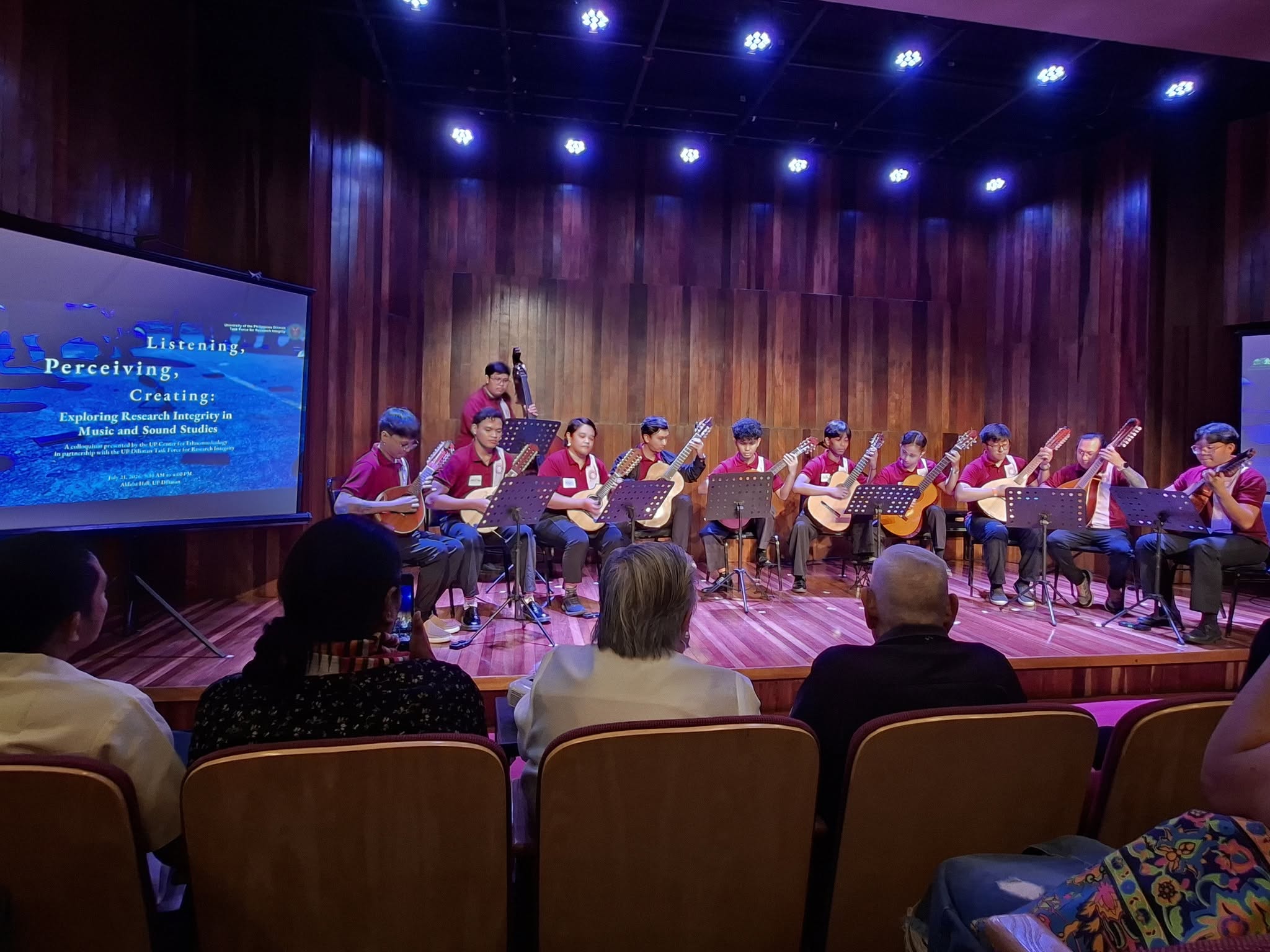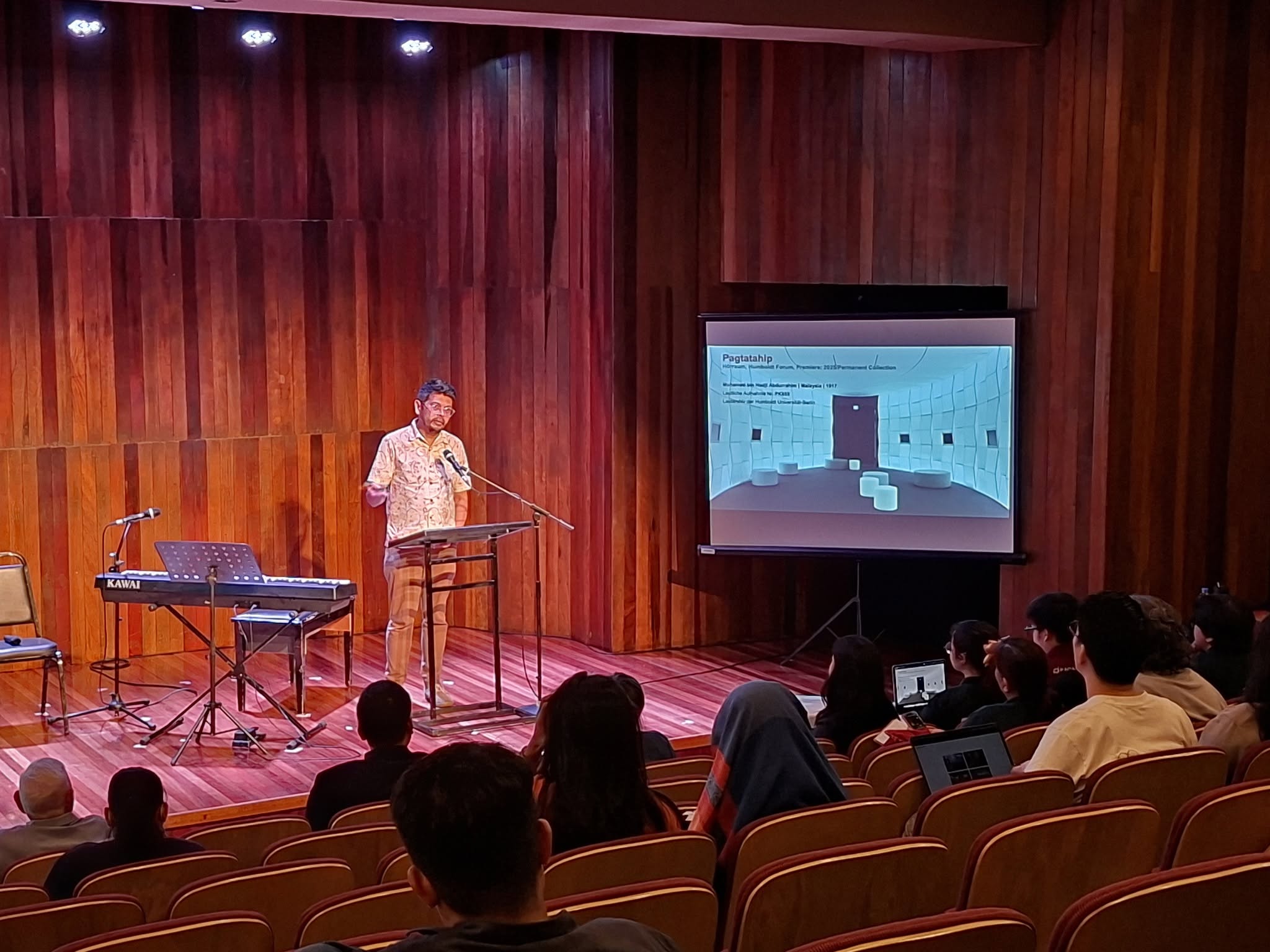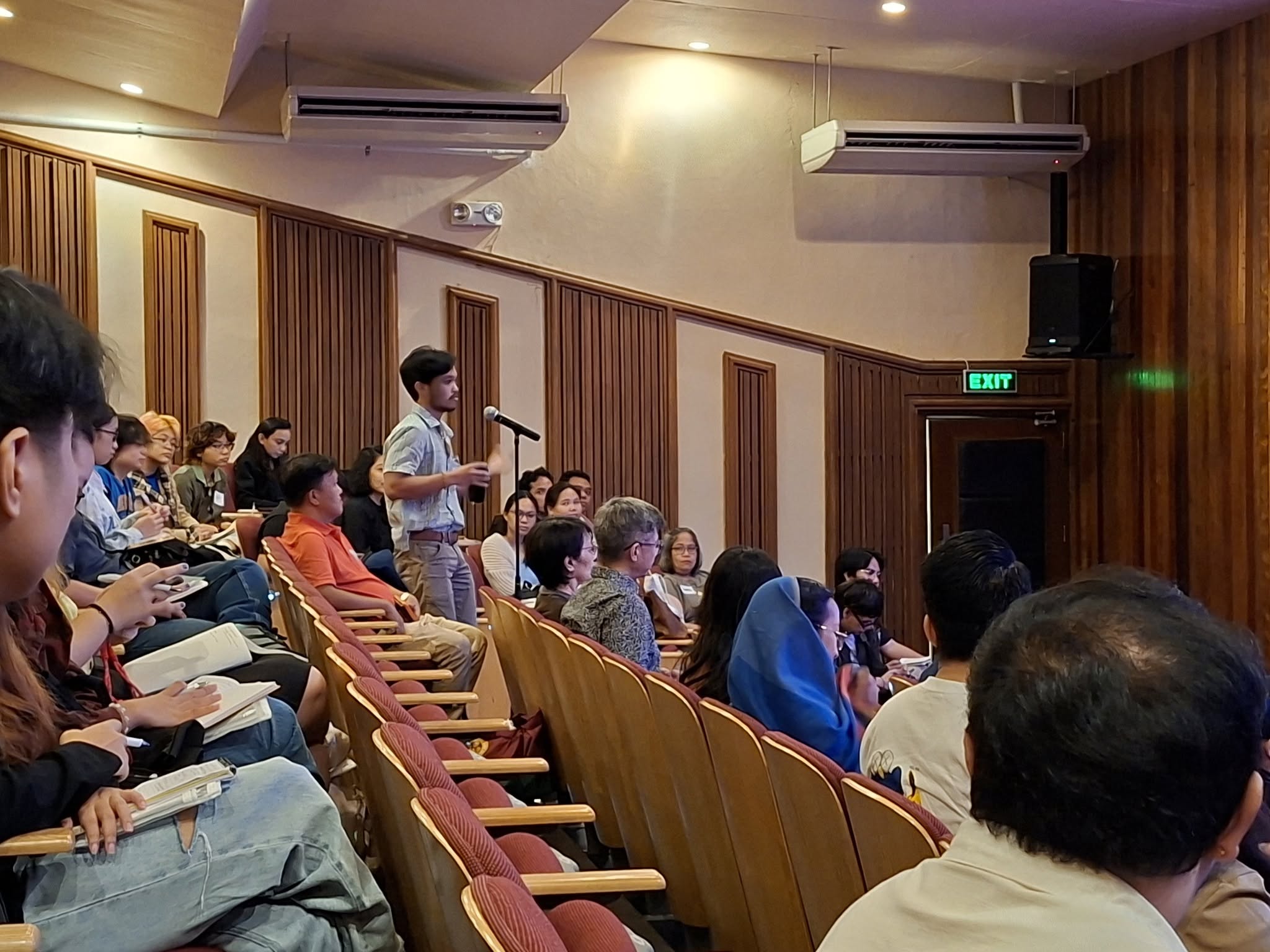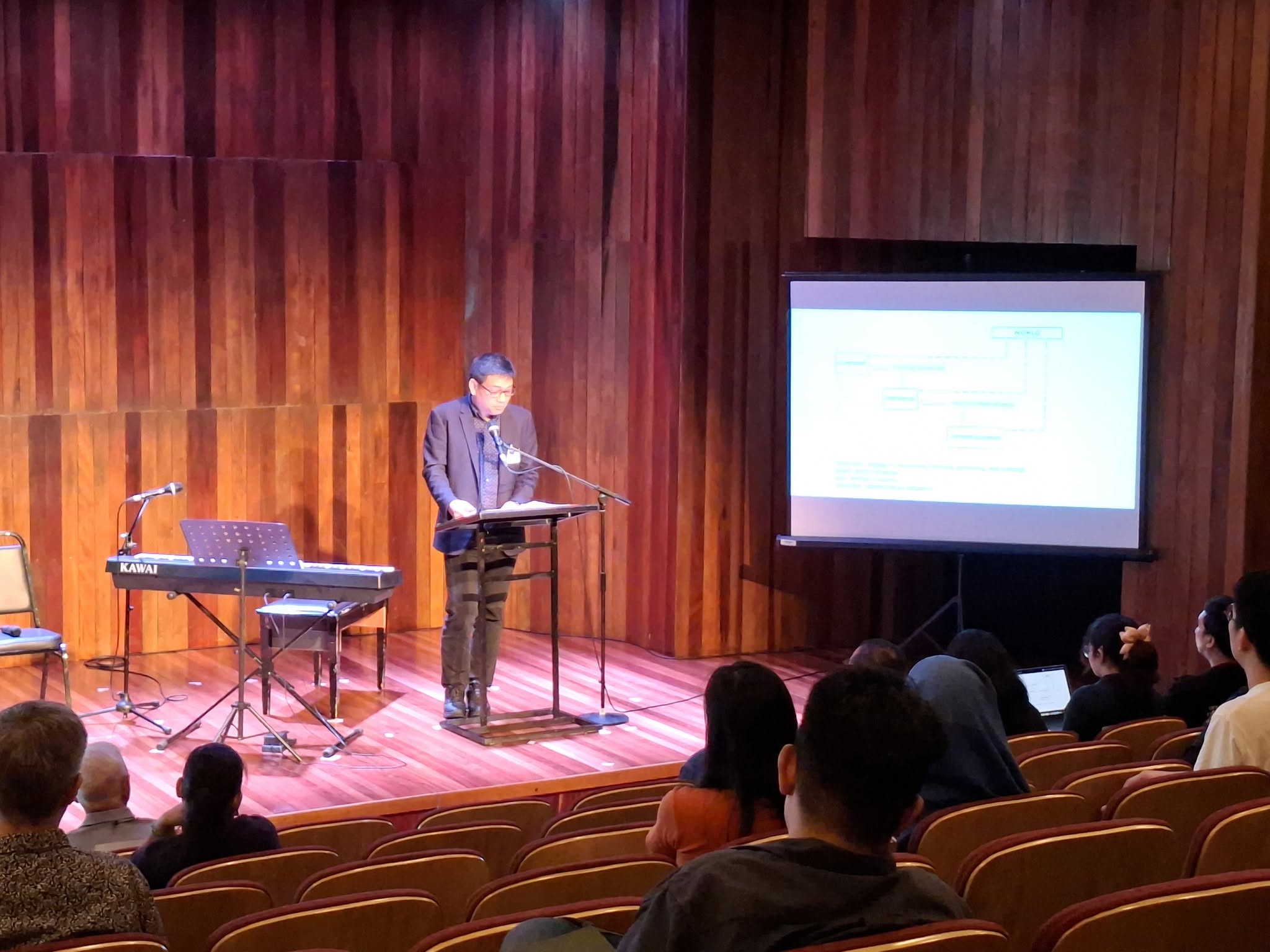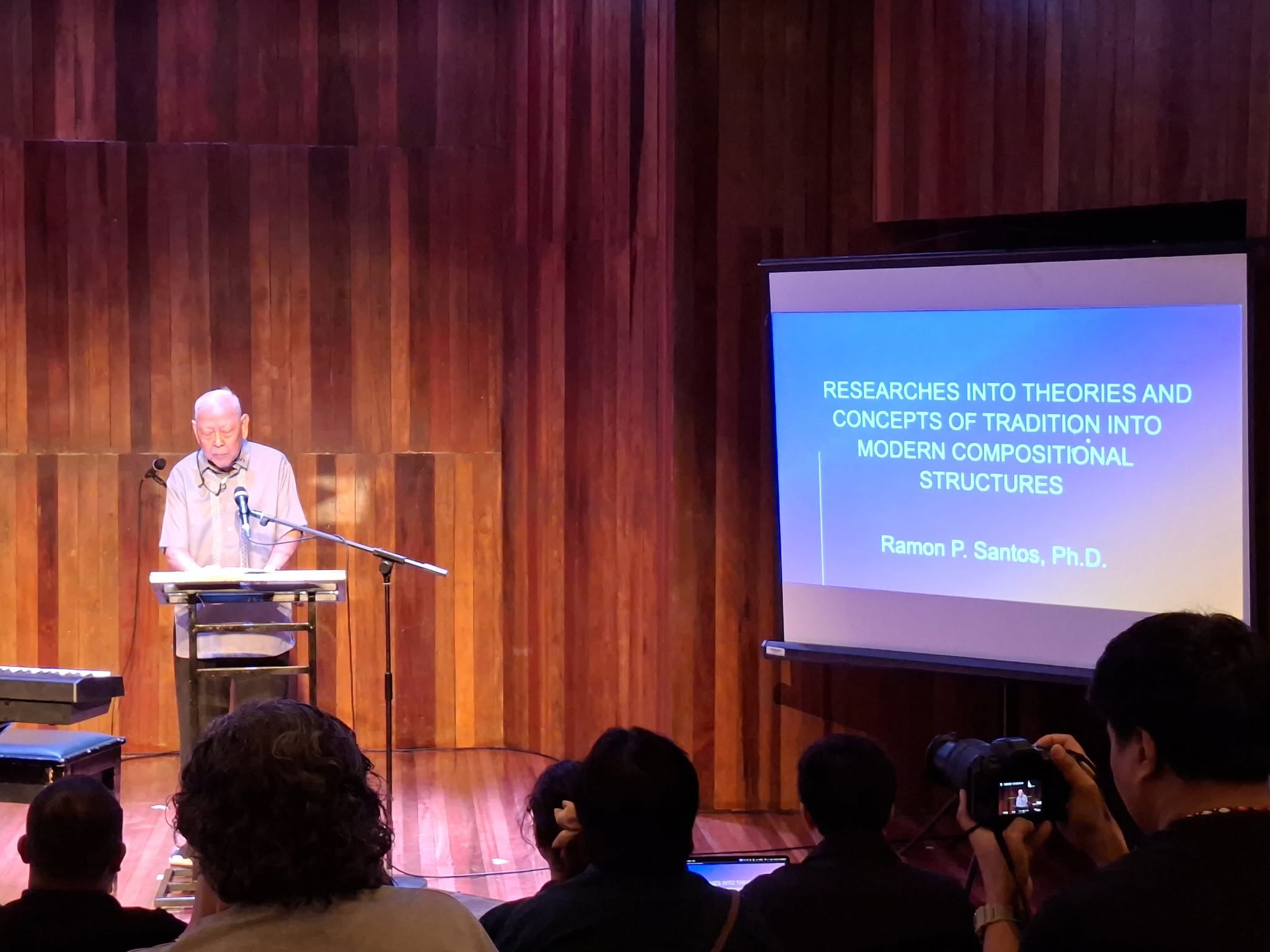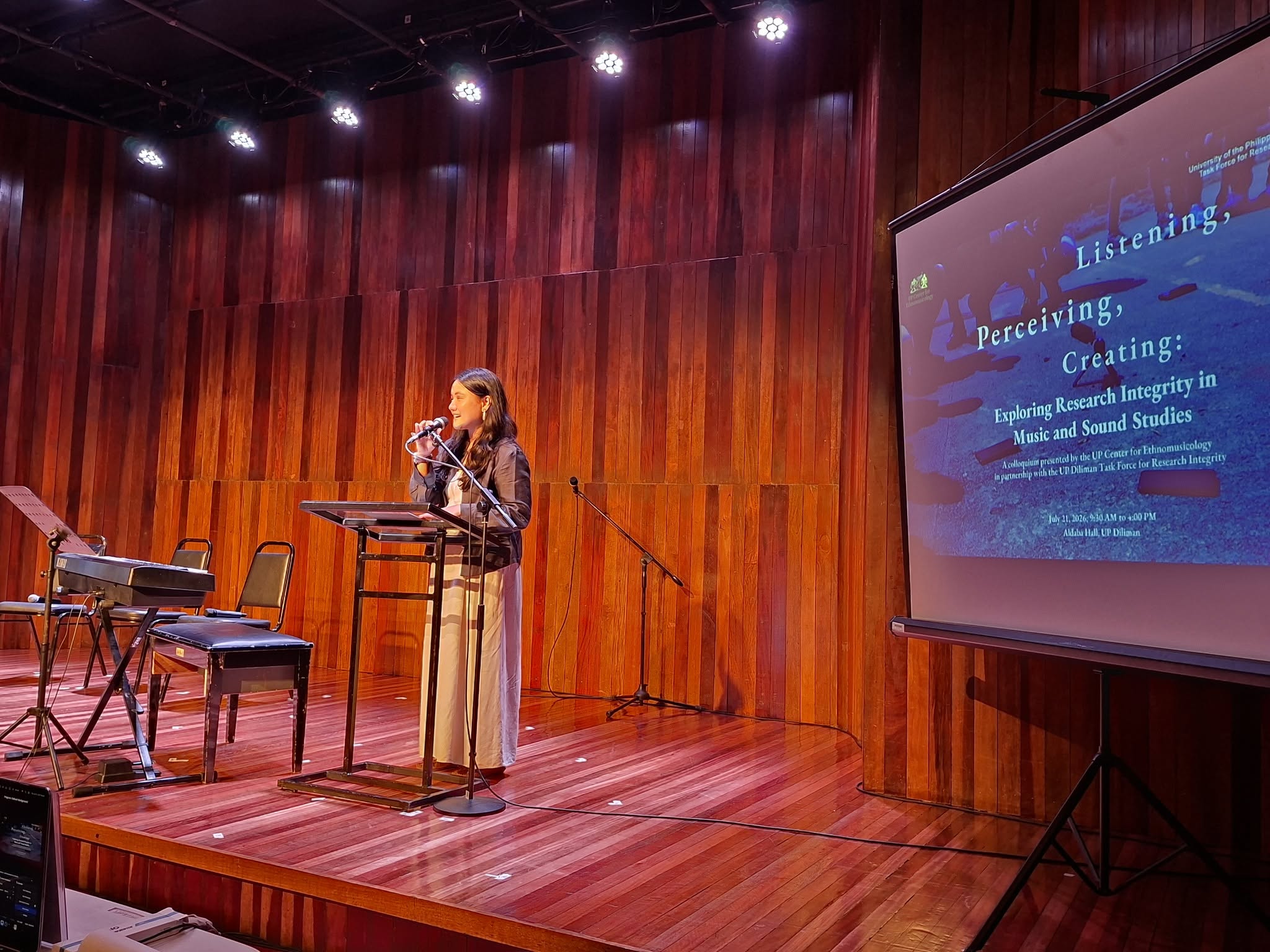
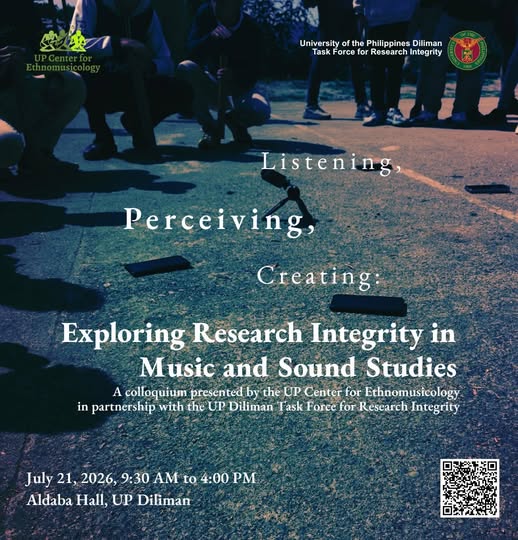
Last July 21, 2026, the UP Center for Ethnomusicology successfully held “Listening, Perceiving, Creating: Exploring Research Integrity in Music and Sound Studies”.
Students (from high school, undergraduate, and graduate levels), faculty, UP REPS, scholars, artists, local government representatives, and cultural workers attended the one-day colloquium organized in partnership with the UP Diliman Task Force for Research Integrity and the UP Diliman Office of the Chancellor.
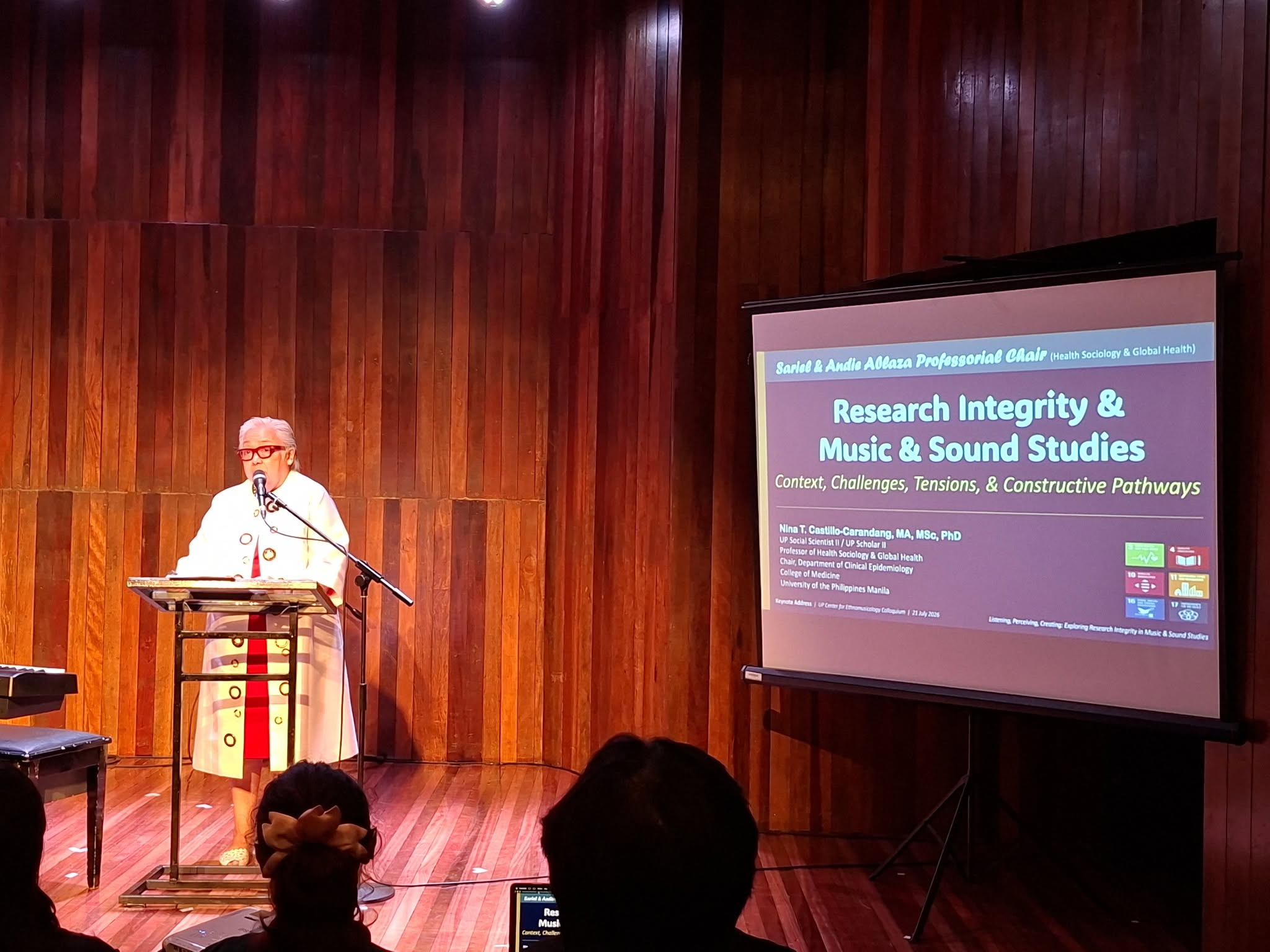
Bringing together scholars, art and popular music practitioners, pedagogues, and culture bearers from across the country, the event highlighted clashing perspectives on research ethics and integrity. While these are difficult to reconcile—if at all reconcilable—the event shed light on how the meaning and significance of musical, sonic, and expressive practices—along with one’s structural entanglements and positionalities vis-à-vis these practices—shape views about what may be deemed acceptable, indispensable, problematic, and controversial, necessarily or otherwise. The difficult work comes with deeply “listening” to people and contexts, productively engaging discomfort, knowing who should be centered and in which settings, and taking accountability for one’s actions. Yet, ultimately, all of these must come from a place of concern for others. Speaking about the unique contribution of music and sound studies in her keynote, UP Manila medical sociologist Dr. Nina T. Castillo-Carandang argued that “[m]usic and sound studies challenge us to see research integrity not simply as a matter of rules, but as a matter of relationships, responsibility, justice, and care.”
We wish to thank our resource speakers for sharing their invaluable insights, the UP Diliman Task Force for Research Integrity for collaborating with us on this project, and everyone who showed up to support and take part in the event. We hope it inspired you to reflect as researchers, artists, and human beings.
Stay tuned for the project’s next phase! Follow our Facebook page for updates.
#ListeningPerceivingCreating #UPCE