
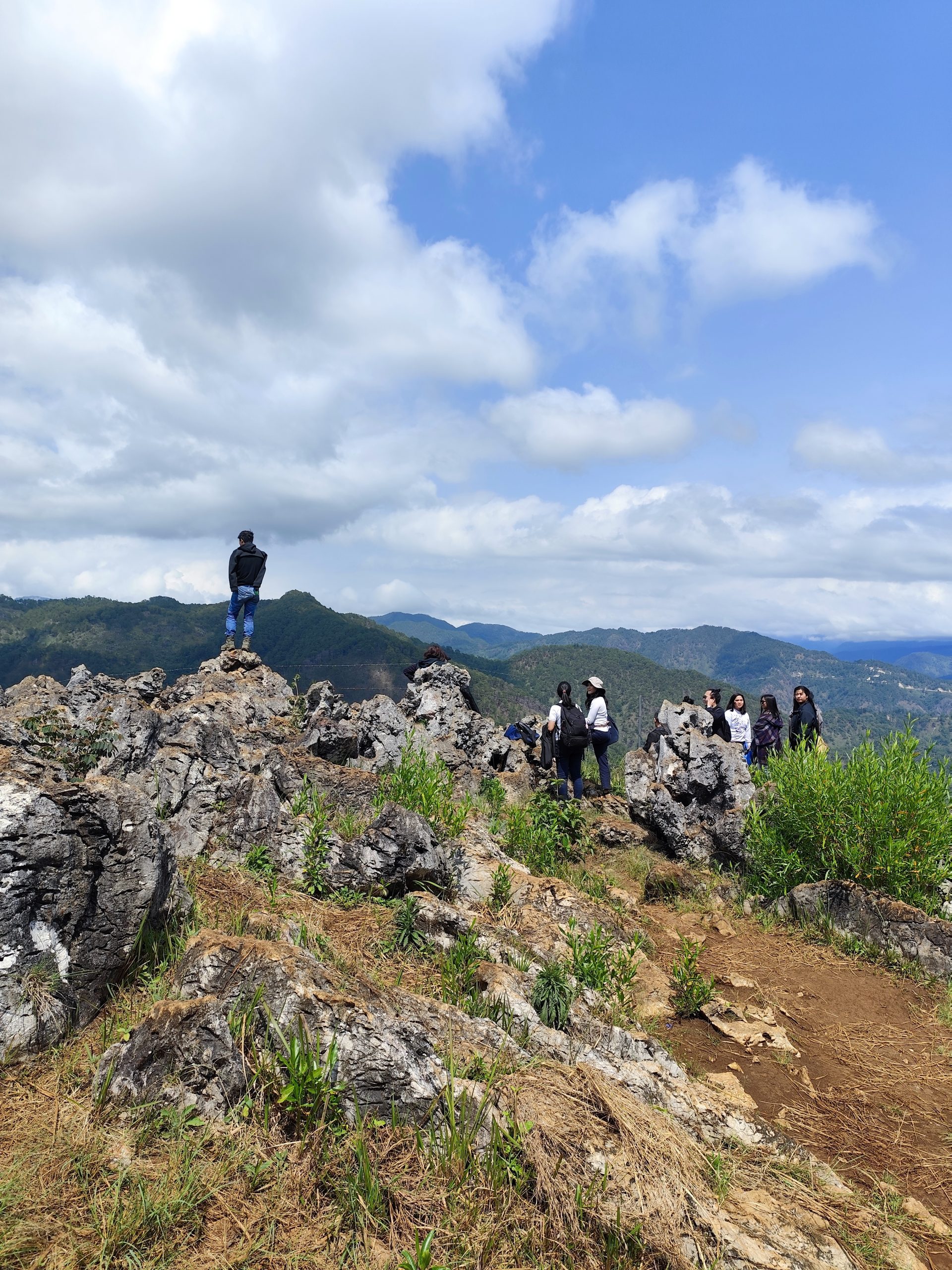
Sagada is located approximately 390 kilometers North from Manila, with an average elevation of 1,455 meters. Nestled in the mountainous regions of Mountain Province, Sagada is part of the Kankana-ey ethnolinguistic group residing in the western areas of Cordillera, Mountain Province. As of the year 2020, it has a population of 11,510 people. While most of its current population is Anglican, the community continues to practice the traditional aspects of the culture, through their food, music, crafts, language, and festivities and rites that are based on agricultural cycles, among others. It is a scenic town known for its caves, hanging coffins, agricultural products, and tourism.
“Collection and ReCollection: recording the traditional vocal and instrumental repertoire in Sagada” is a community archiving endeavor borne out of the long-term connection between the UP Center for Ethnomusicology and the community of Sagada.
Why Sagada? This relationship has been established since 1958, when UPCE Founder Dr. Jose Maceda researched and published the vocal expressive traditions of Sagada, and was nurtured during the period between 2013-2020 when multiple repatriation, data collection, and publications were produced through mutual cooperation between the institution and the community. In 2020, an interest for establishing a community archive was expressed by Ms. Alma Bagano, a Member of the Board of Trustees of the Saint Mary’s School of Sagada, Inc. to the then UPCE Director, Dr. LaVerne David de la Pena, during their work on producing a book chapter which discussed the repatriation of Sagada audio recordings which then enabled the transcription of these recordings by the community members.
The plans for the community archive were further articulated during multiple workshop sessions held over online meetings because this happened at the height of the pandemic – this was conducted as a graduate project; among the results of which included dream boards and a draft of an archive appraisal policy.
When the quarantine eased, personnel from the UPCE and the SMSSI were able to meet face-to-face to draw up the plans for what will become the beginnings of a community documentation and archiving project. While the design of the workshops and who to conduct them were mostly identified by UPCE personnel, most of the decisions regarding schedule, venue, participants, and what materials to record and preserve, which members of the community to interview, among others, were made by the SMSSI.
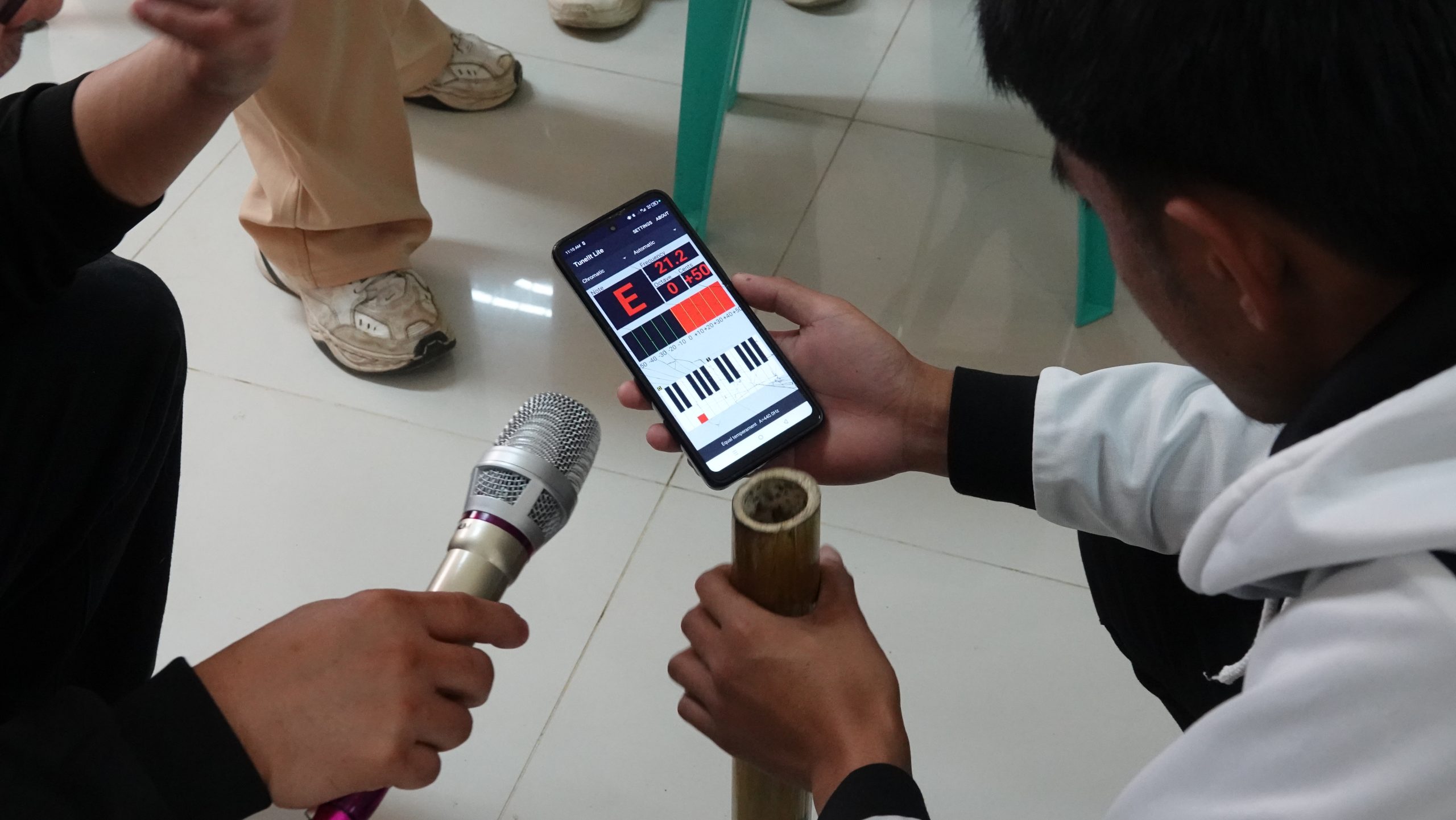
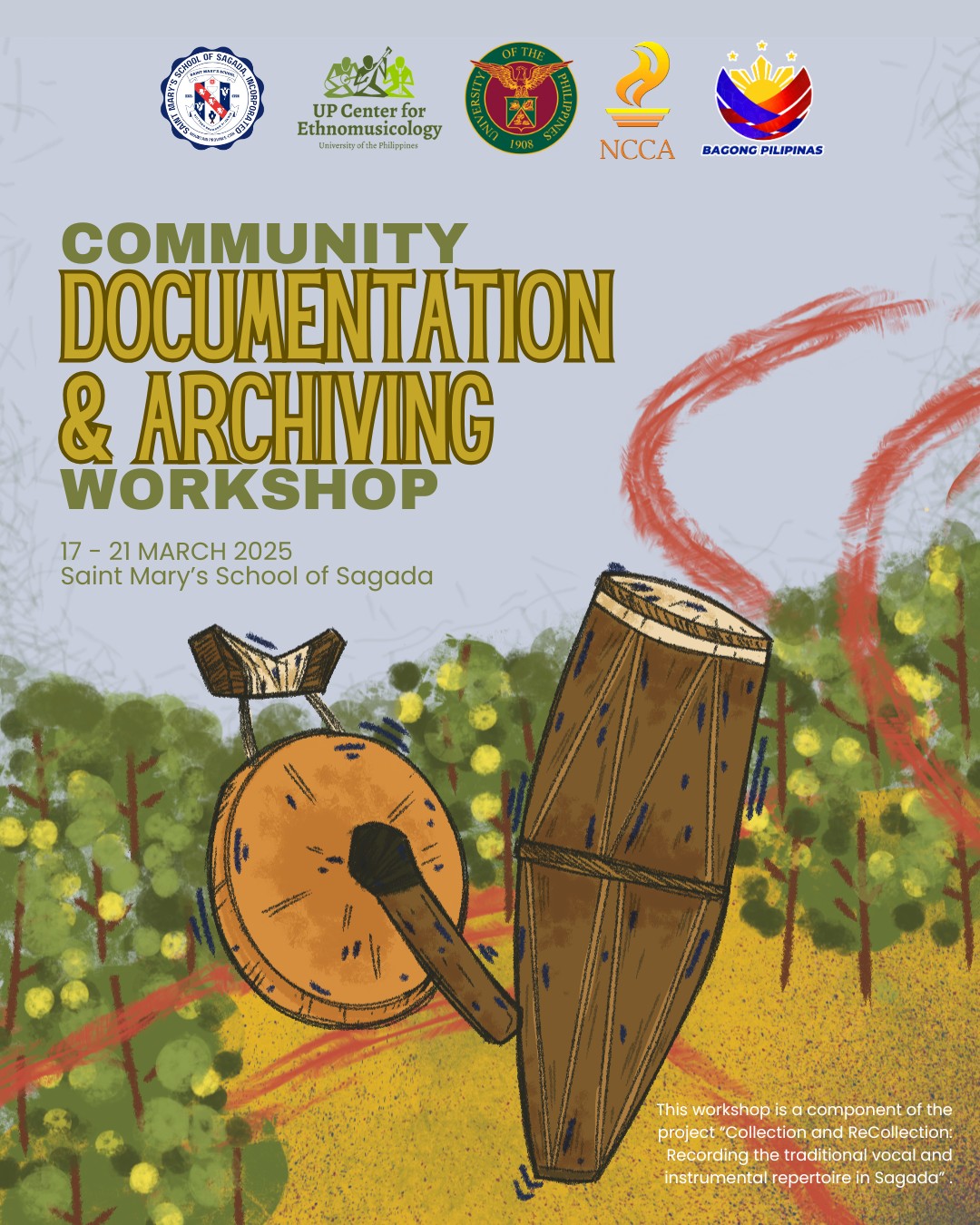
The project was conducted from February 11, 2025 – June 30, 2025. The purpose of the project was to record the traditional vocal and instrumental repertoire of Sagada and to sustain the continued documentation of living traditions, while continuing to preserve the older records that are already in their possession in perpetuity. Underscoring the activity is community archiving, where the members of the community will be recording themselves, and have full-control of the project and its outcomes. The project aimed to build the capacity of its students, as well as other interested participants, incorporating field work activities in exercising their knowledge in qualitative research, and to equip them with the necessary skills and tools to create, preserve, and access a sound archive of their own community. Likewise, the resulting archive was imagined contributing to the continuation of the rich musical traditions by using recorded audio and video for teaching and demonstration.
A total of thirty-seven (37) participants worked on data gathering and metadata processing and were largely involved in making decisions that will affect the archive that will be established in the future, using their data as one of the pioneering collections.The project has compiled 200 recordings, consisting of 167 audio files and 33 video files. Project Manager, Ms. Kili Piluden reported that:
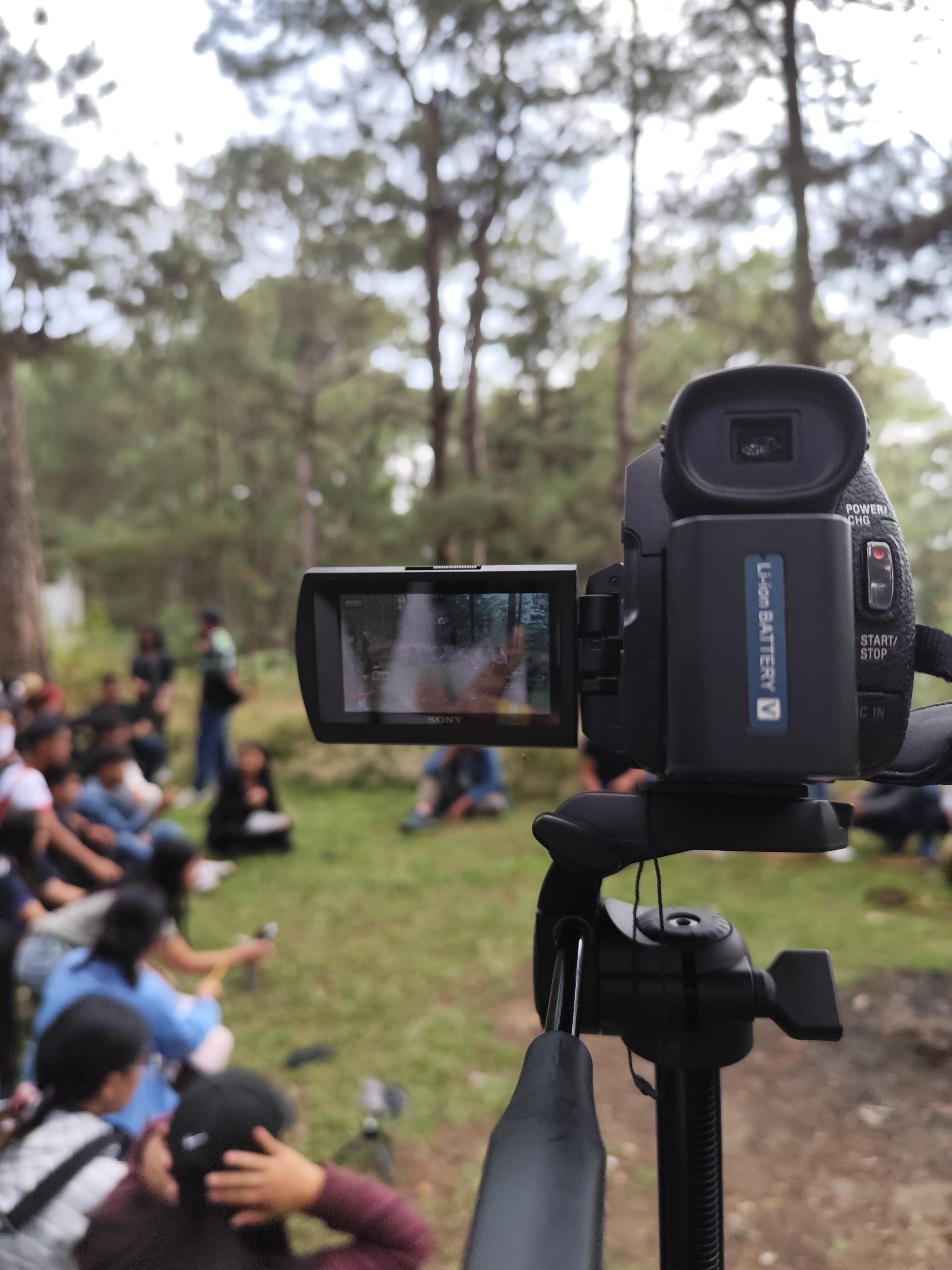
[d]uring the workshop proper, three resource persons were interviewed and recorded[…] The students were able to produce a number of videos and audio files involving the interview and the chants, songs, and instrumentals performed by the resource persons.
The next week after the workshop concluded, the students continued their fieldwork and data collection by selecting resource persons and elders within the different communities in Sagada. Coincidentally, three weddings, a funeral, and a gubbaw (naming ceremony) happened during the week, and the students took these opportunities to record as well. Ethical considerations were practiced, and the students remained respectful of the practices and activities being done.
The students also took the time to arrange and organize their metadata sheets, which contained a general summary of what they had recorded throughout the entire two weeks they had gathered data. Some also took the initiative to transcribe some of the interviews, the chants, and the songs. (Piluden, 2025, p.2)
As required by the grant, copies of all digital data will be furnished to the NCCA and NAP at the end of the project. Through its partnership and to serve as an off-site storage, the UPCE has also been handed a copy of the materials last May 19, 2025. Beyond the project, the original recordings stay with the SMSSI, with copies in the UPCE only available for room use. The UPCE endeavors to maintain this partnership in the long-term, where it can continue to serve as consultant, off-site storage, and a portal for educational dissemination.
Reference:
Piluden, K. E. (2025). NCCA Progress Report, 1st Tranche.
Acknowledgements:
Steering Committee
Maritess Guron, SMSSI Principal
Lisa Veronica Decenteceo, PhD, UPCE Director
Alma Louise Bagano, SMSSI Board of Trustees Member
Project Manager
Kili Europa Piluden (SMSSI)
Project Coordinators
Nonalee Domanog (SMSSI)
Grace Ann Buenaventura (UPCE)
Project Assistants
Dick Espirito (SMSSI)
Sol Maris Trinidad (UPCE)
Workshop Facilitators
LaVerne David de la Pena, PhD
David Dino Guadalupe
Roan May Opiso
Grace Ann Buenaventura, MLIS
Workshop Assistants
Benedic Justine Velasco (UPCE)
James Dan Gazmin (UPCE)
Ezer Dy Kiwang (SMSSI)
Chloie Anne Solang (SMSSI)
Deanna Fay Badongen (SMSSI)
William Kent Dongail (SMSSI)
Lyka Danio (SMSSI)
Jada Tambiac (SMSSI)
Resource Persons
Mr. Manuel Amdengan
Ms. Florence Dom-an Macagne
Mr. Jobel Gumabay
Ms. Nonalee Domanog
HUMSS 12 (2024-2025) Students of the SMSSI
Abellon, Meagan
Agacia, Justine
Agwiking, Dexter
Badongen, Deanna
Balicag, Clydine
Balonglong, Khiana
Batnag, RJ
Bawayan, Britney
Briones, Marvin
Buslay, Pauline
Daday, Jefferson
Danio, Lyka
Dapidap, Cleojhay
Didican, Jilian
Domegyas, Karlyne
Dongail, William
Dumansi, Felicito
Epay, Kris Ann
Espirito, Dick
Fao-anan, Yanka
Galawe, Rey
Gomgom-o, Jeanbel
Kim, Jael
Kiwang, Ezer
Lansang, Ashley
Macalo, Vince
Okyo, Merilyn
Oyagat, Pinky
Pangda, Ayhla
Poyongan, Yuri
Punhalban, Frenzel
Sadcopon, Denver
Salvador, Reynaldo
Sangbaan, Jake
Solang, Chloie
Tambiac, Jada
Tiwaken, Jan Klaus
Yodong, Jorielle
